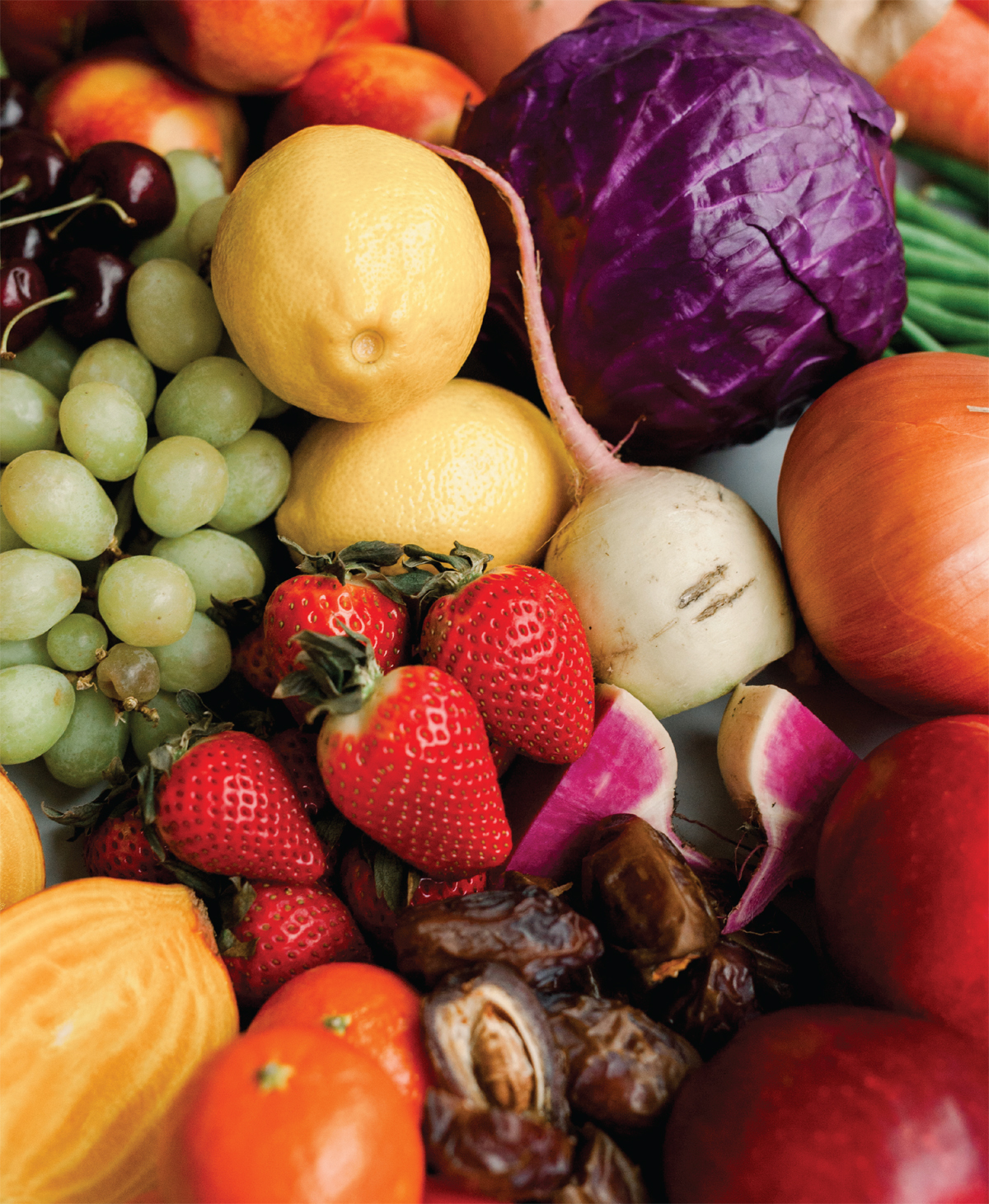

This flexible kick-start plan will help you nourish to flourish.
Psst, I’ve got a secret. This is one of the most enjoyable, most flexible 28-day programs you’ll ever participate in. Its goal is to get you into eating delicious whole foods that you actually look forward to, while giving your body a break from the processed white flour, dairy, and excess sugar that typically weigh you down.
This is way more about what you can eat during the next 28 days than what you can’t eat. It’s a reset of your habits with health benefits. Once you reset your healthy habits, you’ll never look back.
You can use this kick-start whether or not you want to adhere to a specific eating style (e.g., paleo, vegan, keto). If so, simply look for foods in your eating style on my “approved” and “not approved” lists and go with that. For example, if you are vegan or vegetarian, don’t include the meat, fish, and/or eggs. If you’re like me and you don’t label your eating habits, then follow the plan as outlined; it’s similar to the Mediterranean way of eating.
Regardless of what you call it, this kick-start is designed to give your body the chance to do what it’s meant to do: thrive. It’s all about rewiring your brain to reach for whole, nutritious foods, and to build health into your everyday life.
I want to meet you where you are. I’ll provide you with Level 1 and Level 2 food options, but know that Level 1 is a fantastic place to start, especially if you’ve ever struggled to stick to an eating plan before. Giving up highly processed gluten-containing foods and a lot of added sugars alone will do wonders for your health.
You’ll also give up dairy for the 28 days so you can see if eliminating that from your eating habits benefits you or not. I’m giving you the option of eating high-quality, probiotic-rich Icelandic-style or Greek yogurt on Level 1. Your body digests these types of fermented dairy products much easier than other dairy, and they can be a good source of protein if you tolerate dairy products. I do suggest trying it without, but if you need to add it in then that’s okay.
Get a blood glucose monitor and use it daily for a few days before you start the 28-Day Kick-Start Plan, ideally continuing each day during the program, as well as after to see how much your numbers improve.
For both Level 1 and Level 2, I’m recommending you consume no more than 25 grams of added sugar each day (and you can boost your kick-start even further by consuming zero grams of added sugars for 28 days straight). Level 2 is more strict and also omits corn and soy; it’s a great plan if you’re curious whether these things affect you. If you’ve never eliminated gluten or dairy, then start at Level 1. You choose where to start, and can revisit this plan at any time. The goal of my 28-Day Kick-Start Plan is to allow these guidelines to become your new baselines. After the 28 days, if you waiver from these guidelines, you’ll feel the effects almost immediately.
While at first glance a 28-day kick-start might feel restrictive, please know that there are loads of fantastic, delicious foods allowed. Don’t let your mind go to deprivation. Instead, focus on all the great-tasting meals and snacks that you do get to eat: You have an abundant menu to choose from while on this kick-start.
I’m providing guidelines here, but you know you best. You can modify what you eliminate, or mix and match the meal plans and ideas to suit your needs. For instance, if you don’t consume alcohol but you feel that caffeine has gotten the better of you, then eliminate that.
If Level 1 feels too restrictive, then modify it accordingly. You do need to stretch yourself a little, but I don’t want you to feel too stressed or obsessive about eliminating foods from your eating plan. At the very least, eliminate highly processed grains (even the natural ones) and avoid added sugars in excess of 25 grams per day during the kick-start. If you are pregnant or nursing, or have diabetes or cancer, please check with your health-care provider before starting any new eating program, including this kick-start.
First, I’m going to assume that you’ve read this entire book before (or at least during) your 28-day kick-start. The information in these pages will answer just about any question that will come up.
Next, to make your kick-start as effective as possible, it’s important that you prepare most of your own food, or buy it from a trusted source. Almost all packaged food is off-limits during the kick-start, as most packaged food contains excess sugars and preservatives. However, I’ve included an approved packaged-foods list because, hey, I’m not a monster, and I understand that you can’t put your entire life on hold because kids and jobs don’t stop for kick-starts.
If you do decide to buy prepared meals, become a label sleuth and read labels diligently. For example, if your local natural grocery store’s prepared foods section lists the ingredients on each dish and they’re in line with the guidelines, that’s perfectly acceptable!
Healthy prepackaged food generally costs more, but if the ingredients line up and you can afford it, then they are okay to use. My own local market makes a black bean hummus dip and lists the ingredients as simply black beans, tahini, tamari, garlic, cumin, salt, and pepper. Spread on gluten-free almond flour crackers, it’s one of my favorite snacks. However, it’s pricey, so I only buy it occasionally rather than making it myself.
I’ve also included rotisserie chicken as an approved food for meat eaters because I know life gets busy. But if you can afford it, opt for organic, as it is usually higher quality. Remember, though, that rotisserie chickens are usually coated with not-so-healthy oils, so remove the skins.
Dining out at a chain restaurant that doesn’t list every ingredient is not allowed on the kick-start—you’d be shocked at what is in this food, most of which comes from food suppliers and is just opened and microwaved in the back, like a TV dinner. Restaurants mostly use low-quality canola oil or vegetable oil—even in salad dressings—because of the large volumes they produce. It’s best to skip them during your kick-start.
If you can find a restaurant where the ingredients line up with the kick-start guidelines, then it’s okay to use occasionally. Let your server know your dietary guidelines and don’t assume that just because gluten, dairy, or added sugar isn’t listed on the menu that it’s not in the dish.
One of my favorite fresh authentic Thai restaurants makes a wonderful red curry dish. The menu lists coconut milk, spices, and veggies, but when I double checked with the server he told me that they do put some heavy cream (dairy) in the coconut milk curry dishes, as most American palates are accustomed to it. Apparently this is common practice in many Asian-style restaurants in the United States. I asked and they were happy to make mine dairy free. My point: Always ask.
In general, always buy the highest-quality food you can afford and make your absolute best effort to eat clean. It might seem like a stretch to omit gluten, dairy, added sugar, and alcohol for 28 days, but trust me, with all the incredible options you have to replace those things, you won’t even miss them after the first few days. Except the wine. You’ll miss the wine (or beverage of your choice). But do your liver a favor and give it a break. It’s only 28 days and I know you can do it.
One-pot meals of hearty homemade soups or stews make for great kick-start meals, as does anything that you can batch-prepare. Always think, cook once, eat two or three times. If you get the food processor out to make a batch of Magic Sauce, double or triple the recipe and freeze what you don’t use for next week or the week after. If you prepare a chicken dinner Monday night, it will keep in the refrigerator for two days, so consider cooking up enough for Tuesday or Wednesday night as well. A big pot of lentil soup? Double it and freeze the rest for later. Generally, most foods keep for two to three days in the refrigerator, and up to four months in the freezer.
Frozen fruits and veggies make healthy eating simple and are budget-friendly. But remember to read the labels. For example, the ingredients list for frozen peas should be just peas. If anything else is added, move on to the next brand in the case. Frozen fruits and vegetables do not need preservatives or additives, but not every producer packages them this way. While fresh produce contains more enzymes and shouldn’t be skipped, frozen produce is generally flash-frozen right when harvested and most of the nutrients are preserved. They still contain the same amount of fiber and are full of hydrating plant water.
Check the Environmental Working Group’s Dirty Dozen and Clean 15 lists (ewg.org) and buy organic if you can based on these lists; just because they’re frozen doesn’t mean they weren’t treated with pesticides.
Most canned food is off-limits because it’s usually full of preservatives. When it comes to veggies, fresh is best, then frozen, and never store-bought canned. The only canned food exception is canned beans (black, garbanzo, etc.) and canned tomatoes.
Always rinse canned beans before using to remove excess sodium, and look for ones with reduced or no salt. If you can find beans or tomatoes in BPA-free cans, boxes, or other containers, even better. You don’t have to use these items, but they’re acceptable here.
Food that you or a local farmer canned and preserved at home via old-school canning methods—in glass mason jars with no preservatives—is absolutely allowed. If you know how to do that, congrats! I used to watch my grandmother do it and remember the loud slup! sound of that mason jar lid being sucked in successfully.
And finally, my best advice to find success with this program is to review the guidelines, then make a long list—the longest list you can—of your favorite foods that fit into this framework. For example, some people love pesto and some people loath it. If you love pesto, make it dairy free and serve it over chicken, fish, or your favorite rice noodles. If you dislike it, no need to eat it.
Love tacos? Try the Slow-Cooker Chicken Tacos. Find fish unappealing? You don’t have to include it. Only you know your favorites.
Make a list of what you can have that you like to eat, identify meals that fit in, and then make a five-day meal plan that you can rotate through. From that five-day meal plan, go grocery shopping. I don’t want to ask you to buy a bunch of food that might go bad or that you may never use, so I didn’t include a shopping list. That’s the part where you need to step in and do some of the work.
There are thousands of types of whole foods on the planet; use this time to try new things and discover new dishes you love.
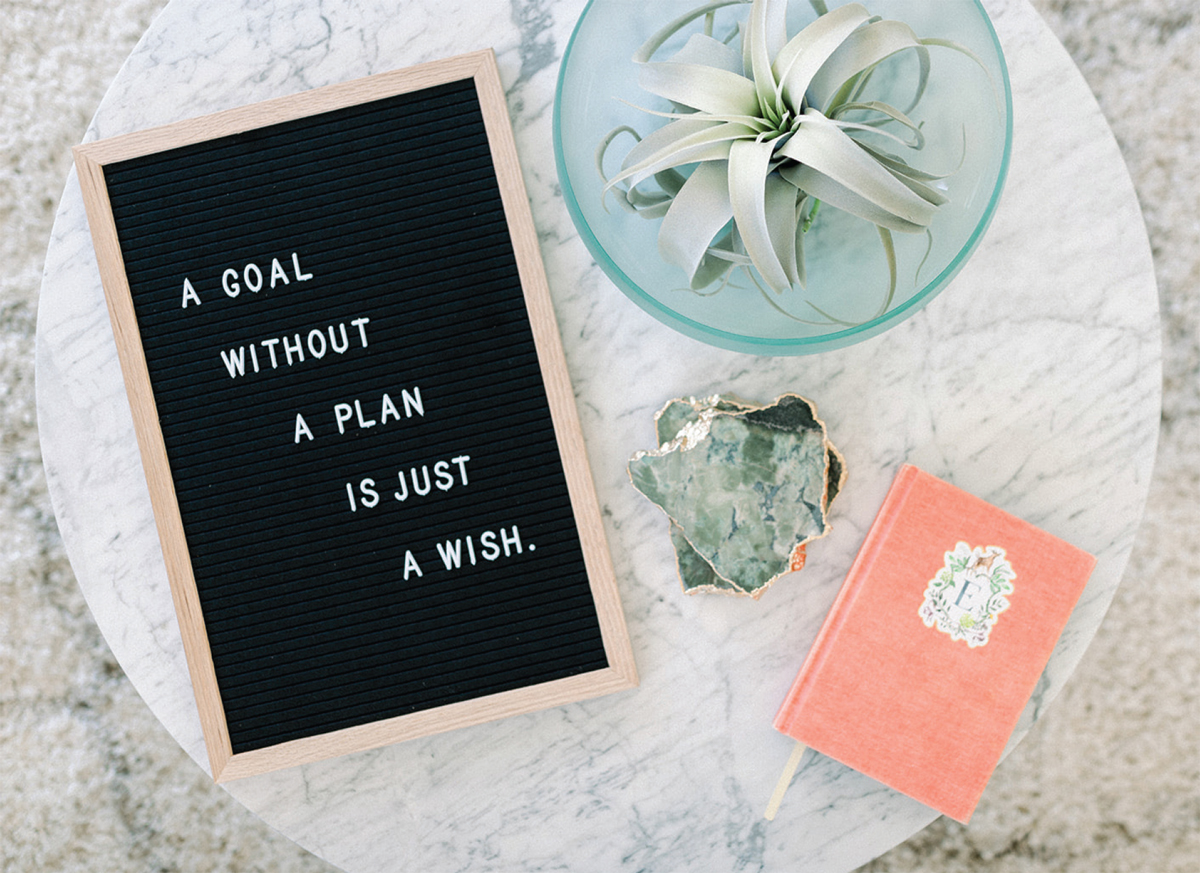
Quote by Antoine de Saint-Exupéry
When I host wellness retreats, we follow a similar plan to the one outlined here. I call going home “reentry” into the real world. Your senses are on high alert after a kick-start plan like this.
If or when you decide to add back in foods you eliminated during the kick-start plan, it’s critical that you only add in one thing at a time to recognize how foods affect you. If on day 29 you go out for an Italian dinner of fettuccini Alfredo and wine, not only are you going to feel horrible the next day from the sudden jump of gluten, dairy, and alcohol, but you’ll have no idea which one of those things is the biggest culprit.
Add foods back in one at a time, and give yourself at least one full day in between. That means if you reintroduce cheese on Monday night, wait until Wednesday to add anything else back in. If you’re feeling great, you may not want to change from this regimen.
If you do reintroduce foods, I suggest writing down how you feel 15 minutes, 1 hour, and 12 hours afterward to notice if you have any symptoms like headaches, skin troubles, or digestive upset. Stay mindful and go slow, especially with sugar or alcohol. Your tolerance has been reset and your liver is humming along great. Don’t dump a bunch of trash into it.
Level 1: no gluten, no dairy, no added sugar,* and no alcohol; reduced or no caffeine
Level 1 with fermented dairy option: no gluten, no dairy (except unsweetened Icelandic or Greek yogurt), no added sugar,* and no alcohol; reduced or no caffeine
Level 2: no gluten, no dairy, no added sugar, no soy, no corn, no caffeine, and no alcohol
_______
*At the very least, consume no more than 25 grams of added sugars per day if you feel too restricted on Level 1.

You’ll notice that some foods do double duty. For instance, black beans double as a good carb and a protein. Most foods contain some combination of proteins, fats, and carbs, and you don’t have to obsess about it. Simply look at your meal or snack and make sure all three are present.
For example, an apple on its own is a healthy carb. Adding some nuts or nut butter would add some protein and healthy fat. Black beans contain a healthy carb and protein, so adding some extra-virgin oil or avocado to your black beans would complete the meal.
A salad of greens and veggies is a good carb, topped with some lentils or chicken for protein and avocado or oil for fats makes a winner. There are literally endless combinations to satisfy your cravings. You’ll find a bunch of examples here, too.
Remember back in Chapters 3 and 4 when we talked about fiber? Your fiber will naturally come from your good carbs (whole fruits, veggies, legumes, and whole grains), but double check that your meals are loaded with fiber, too, especially if you follow a low-carb eating plan.
Nuts also contain some fiber, but your best sources will come from leafy greens, other veggies, whole fruits, legumes, and whole grains.
**Eggs are a common allergen. If you’ve never eliminated them, consider eliminating them on your 28-day plan, then adding them back three times in one day to see how you feel. Some people feel great with eggs, and some feel worse. The only way to know is to test them by eliminating diligently for 28 days, then adding them back in. Remember to only add in one food every two days so if you have a reaction (e.g., headache, rash, low energy), you know which food causes it.
Look for the highest-quality eggs that fit into your budget.
***Items marked with three (***) are commonly genetically modified or stored in ways that allow mold to grow. Choose only organic if you choose to consume these options as organic varieties are non-GMO and generally stored in better conditions.
In line with not asking you to count anything, I’m not going to ask you to weigh your food. However, be reasonable with portion sizes. It’s okay to vary a little with these serving sizes; eat enough to feel full and stay mindful.
You can do this 28-day kick-start at any time of the year, and repeat it as often as you’d like. I give you loads of ideas here to get you started, and you’ll want to adjust your meal plans to include in-season foods that make sense. You may not want to eat a hot soup in the summertime, so swap it out for a yummy fresh salad. If berries are expensive where you live, change them out for what’s the best price at your store.
Success with this plan has more to do with planning ahead and coming up with ideas that you look forward to eating, and less to do with following my suggested meal plans and recipes exactly. If I suggest chicken but your store has a better deal on turkey, stay in the general guidelines and go for what fits for you.
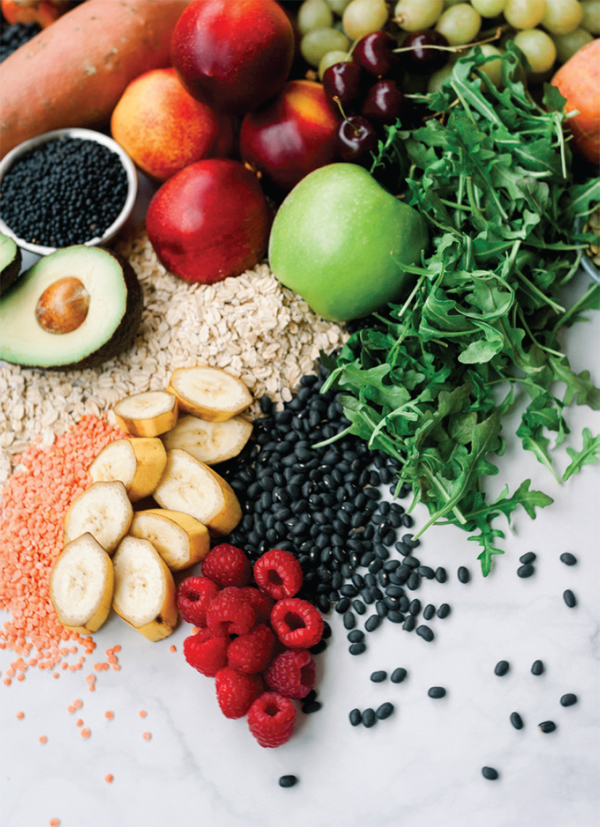
Omit these items on your 28-day kickstart, and consider omitting them permanently after:
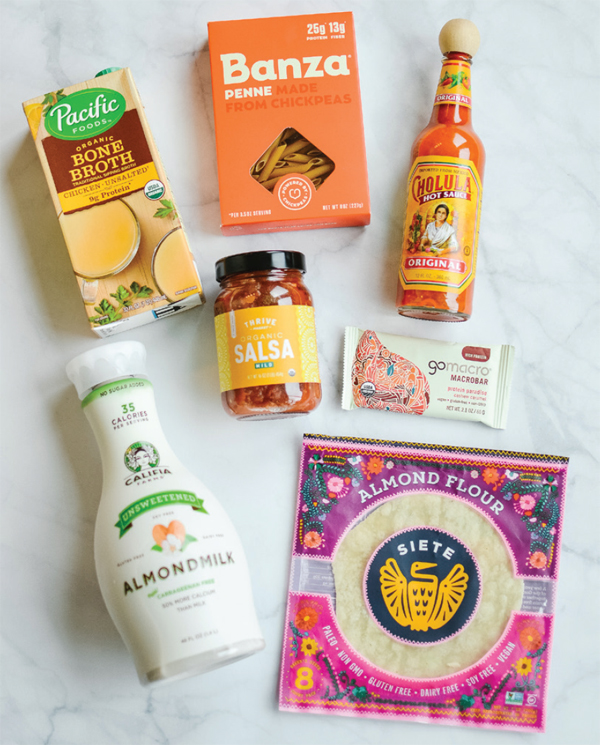
These are not necessary, but they’re okay to use on the program if desired:
| INSTEAD OF THIS | TRY THIS |
|---|---|
| Bread crumbs | Whole rolled oats and/or nuts pulsed in a food processor |
| Conventional butter | Mashed avocado, extra virgin olive oil, virgin coconut oil (in moderation), macadamia nut oil, or ghee (clarified butter) |
| Conventional butter or vegetable oil in baked goods | Unsweetened apple sauce, mashed banana, or mashed avocado, depending on the recipe |
| Canned fruits and veggies | Fresh or frozen fruits and veggies |
| Chocolate chips | 100% pure vegan dark chocolate chips |
| Conventional soy sauce | Organic tamari (wheat-free soy sauce) or coconut aminos |
| Couscous | Quinoa or cauliflower rice |
| Cow’s milk | Unsweetened nut or seed milk (e.g., almond, walnut, or hemp milk); homemade is best, or look for carrageenen-free varieties |
| Cream cheese | Cashew cream cheese or almond cream cheese |
| Cream in savory soups | Pureed white beans, cashew cream, or coconut milk |
| Cream in sweet dishes | Coconut cream |
| Croutons | Toasted nuts or seeds |
| Eggs (in baking, if desired) | Make a vegan “flax egg” by mixing 1 tablespoon ground flax seeds with 3 tablespoons room-temperature water and letting sit for 15 minutes to gelatinize. |
| Ice cream | Dairy-free coconut milk ice cream or vegan banana “nice cream” |
| Instant oatmeal | Quinoa (serve it just like oats); steel-cut or old-fashioned oats |
| Mayonnaise | Homemade aioli or Vegenaise; plain unsweetened Greek yogurt; avocado puree |
| Milk chocolate | Dark chocolate or raw chocolate (aka cacao) |
| Wheat or whole-wheat pasta | Quinoa or brown rice pasta |
| Pasta | Zucchini ribbons (zucchini shaved with a vegetable peeler); roasted spaghetti squash |
| Peanut butter | Almond or walnut butter |
| Pop/soda or other unhealthy drinks | Coconut water; kombucha; unsweetened tea; or club soda with fresh lemon or lime juice |
| Potato chips | Kale, sweet potato, or beet chips |
| Sour cream | Plain unsweetened Greek yogurt, chilled cashew cream, or chilled pureed avocado |
| Store-bought cereal | Homemade granola |
| Store-bought salad dressing | Homemade salad dressing or extra virgin olive oil and vinegar |
| Table salt | Real Salt brand sea salt, pink Himalayan salt, or Celtic Sea Salt |
| Tortillas or bread | Whole large romaine leaves or other greens |
| Vegetable oil | Extra virgin olive oil, virgin coconut oil, or macadamia nut oil (grapeseed oil is okay in moderation) |
| Wheat tortillas | Almond flour tortillas, rice flour tortillas, or lettuce wraps |
| White sugar | Raw honey, 100% real maple syrup, pitted dates (even natural sugars should be used in moderation after completing the 28-Day Kick-Start Plan) |
| Yogurt (sweetened/flavored) | Unsweetened plain Greek or Icelandic-style yogurt or Homemade Coconut Yogurt |
This is one of most debated questions among health nuts around the world. In my opinion, it doesn’t matter. Pick whatever works best for your lifestyle. Generally, the best plan is the one you will follow. If eating five small, same-size meals works for you and you feel energized, then do that. If you prefer three main meals (with or without small snacks), then do that. I don’t think it’s healthy over the long term to ask you to count calories or other food numbers, so I’m not going to ask you to do it in the kick-start. I’ve found that if you eat the way I’ve outlined here, you will naturally get the right amount of food.
The most important thing is to eat enough to satiate you until the next time you eat. When you do that without added sugars, your blood sugar will stabilize and you’ll have enough energy throughout the day. If you have diabetes, please work with your health-care provider to determine the best option for you.
These things are A-OK to incorporate back in after the 28 days. During the 28-Day Kick-Start Plan, you’re going to consume no-sugar-added foods to reset your taste buds and expectation of sweetness. While honey and maple are natural, they are still sources of added sugar. But don’t fret! You can use whole fruits to sweeten your smoothies and sauces, and foods like roasted sweet potatoes, butternut squash, and carrots go a long way to adding a touch of sweetness to your meals.
This kick-start is going to reset your brain’s expectation for sugar and sweetness; you’ll be amazed at how much less you need when you add it back in.
Dates (the dried fruit, not the boyfriend) are a great, whole, natural source of sugar and energy. I tend to group them in as an added natural sweetener with honey and maple, but I don’t want to restrict you to the point that you cheat.
You’re allowed up to two whole dates per day so you can still have some sweetness but not overload on the sugar. It’s not necessary to eat them, but they’ll help get you through if you have a sweet tooth. Blend a soaked, pitted date into a smoothie or sauce, or cut one in half and fill each side with almond butter for a kick-start treat. I like the Medjool variety.
Just because they’re all-natural, zero-calorie sweeteners doesn’t mean that they can’t set off a hormonal response in your body. Omit them during the 28 days and use them sparingly other times if desired.
It’s normal to feel a decrease in energy during the first few days of a program like this. Keep up with the filtered water (60 to 70 ounces each day), and increase your veggie and whole-fruit intake for more energy. The good carbs in the veggies and whole fruit will give you more energy naturally.
Yes! Please do not starve yourself. Starving yourself slows your metabolism and no one wants to be hangry. Do a mindful check-in to see if you’re hungry or just bored. Try some herbal tea or coconut water if you’re simply looking for something with flavor. Add an extra meal or snack in line with the plan if you feel hungry.
As I mentioned before, there is a wide span in the quality of food at restaurants. While it’s true that there are some small local restaurants that you can count on to tell the truth and where everything is prepared in-house, the real truth is that the majority of restaurant food is not prepared in the restaurant, even at nice places. Even if they do prepare the foods, they most likely use condiments and sauces that contain lower-quality oils like canola or vegetable oil.
In an ideal world, you would eat only food you prepare yourself during these 28 days. If that’s not realistic, try to prepare as much of your own food as possible, and stick to the guidelines when dining out or traveling. In some cities there are fresh and healthy restaurants that make food in line with these guidelines. Still ask about ingredients of dressings and sauces, and if they fit into the guidelines and you can afford to dine out then feel free to incorporate them.
The bottom line is that the food needs to fit into what’s acceptable in the kick-start.
Like I said before, I’m not a monster. One square of at least 70 percent cocoa high-quality vegan dark chocolate is allowed each day if you need your fix.
If you have excess weight to lose, then you will most likely lose weight on this plan. If weight loss is your specific goal, eliminate all grains after 3 P.M. and aim for a 14- to 16-hour fasting window between dinner and breakfast the next morning. If you need to review, fasting windows are discussed with time-restricted eating in Chapter 3.
You’ll get the best results if you stick to the 28-Day Kick-Start Plan as designed. If you feel you need to modify it, only give up one thing at a time, like gluten or added sugars.
Get right back on the horse! All of your efforts are not for nothing. Make your absolute best effort not to cheat, but if you do, pick up immediately where you left off. Also, understand the cheat trigger. Were you too hungry because you didn’t eat enough in your last meal? Was it an emotional trigger? Try to understand what happened so you can be prepared.
Feel free to mix and match these to fit your tastes:
Try not to rely on these because it’s impossible to be sure what’s in them, but if you’re in a pinch and need to grab and go or must dine out, here are some acceptable things that will keep you on track:

Daily Meal Plan Flow
Upon rising, hydrate before anything else. Just like you can fog a mirror with your breath, you lose a lot of moisture while you sleep simply from breathing. Drinking 20 to 30 ounces of filtered water first thing in the morning re-hydrates your body with moisture lost during sleep. You’ll find you’re less hungry during the day and your skin looks more hydrated when you start the day off this way.
If you love hot water with freshly squeezed lemon juice in the morning, you can do that instead—or do both. Breaking your overnight fast with this jump-starts your digestion and provides a big boost of alkalizing vitamin C.
If you’re not into that, it’s okay, but do make a habit of drinking those 20 to 30 ounces first thing. I place my glass water bottle next to my bed at night so it’s ready for me first thing. In the morning, after your lemon water, consider a fasted workout to burn even more fat.
Ten to 20 minutes before breakfast, consider a simple shot of apple cider vinegar or fresh lemon juice. Dilute it slightly with filtered water so the taste is easier to take (and to protect your tooth enamel). One tablespoon apple cider vinegar or fresh lemon juice to two tablespoons filtered water works great. Or, dilute it even more in a big mug of hot (but not boiling!) water like the lemon water I mentioned above.
Lemon juice and apple cider vinegar are naturally acidic before you consume them, but create an alkaline environment in your digestive system to optimize digestion and boost your metabolism. They also kick your digestive enzymes into gear, prepping your body to break your overnight fast. Add a few grates of fresh ginger for an even bigger health boost.
As you learned in Chapter 6, what you eat first thing in the morning sets the tone for your entire day. Commit to only low-glycemic food when you break your overnight fast (breakfast) to keep your blood sugar stable and prevent hunger, cravings, and anxiety.
This meal will also start the clock on your eating window if you’re following an intermittent fasting schedule. If weight loss is your goal, be sure to consume 20 to 30 grams of protein in your first meal of the day.
EXAMPLES: low-glycemic smoothie; 2 eggs with sautéed greens plus ¼ roasted sweet potato; superfood overnight oats; 2-Ingredient Egg and Banana Pancakes; or a slice of Flexible Veggie Frittata.
Enjoy a cup of organic coffee with almond milk (no sugar added), green tea, or herbal tea before, after, or with your breakfast if you’d like.
Snacks can fuel you up and help you get through the day. I find it’s a personal choice; some people are snackers and some are not. I like to include a midmorning and midafternoon snack to keep my energy up and metabolism humming.
If you choose not to snack, because you’re busy or forget, then be sure to eat enough at each meal to fuel your energy until your next meal. If you let yourself go hungry you’re more likely to overeat. Snacks should stick to the same guiding principles we’ve already discussed. Low-sugar, minimally processed options are always best.
EXAMPLES: handful of nuts; chia seed pudding; homemade energy bites; an 8 ounce-sugar smoothie; a mug of bone broth; veggie sticks with hummus; a hard-boiled egg with veggies; ½ avocado sprinkled with sea salt; a slice of almond flour bread; or whole fruit with almond butter.
Combine a healthy protein, good fat, and good carbohydrate for a balanced lunch that will fuel you for the rest of the day.
Choose from lean proteins, good fats, and bigger portions of greens or vegetables than grains.
EXAMPLES: a big salad with chicken or salmon; coconut milk-based veggie curry with brown rice or quinoa; chicken tacos in lettuce wraps; broiled fish with greens and veggies; a hearty soup or chili; or a healthy stir-fry.
If you’re a wine drinker, one glass of high-quality wine a few nights a week after the kick-start is absolutely acceptable. Choose drier varieties to limit added sugars.
Herbal tea is always a wonderful after-dinner option. Peppermint tea, in particular, has been used for centuries to aid digestion. Studies have shown that it helps relieve gas and bloating, and can reduce heartburn and indigestion as well. It also tastes and smells delightful. Ending your meal with peppermint tea hits the sweet spot without adding any extra sugar to your meal. It’s zero-calorie, naturally caffeine-free, and doesn’t contain any sugar.
Many of my clients find this post-dinner habit replaces cravings for sugary desserts. If you’re a dessert lover, a small, raw, low-sugar dessert within an hour after dinner is A-OK. Look for something made from whole foods.
Be sure to eat a large, healthful, low-glycemic meal at dinner to balance your blood sugar and provide enough energy until morning. If you’re new to this approach, a 10-hour eating window (e.g., 8 A.M. to 6 P.M. or 9 A.M. to 7 P.M.) is a good start. That means you fast from after dinner at 7 p.m. until 9 a.m. the next day.
Review the concept of your fasting window in Chapter 3 if needed. Giving your insulin levels a break will help you feel better, have increased energy, and more easily manage your weight.
Remember, failing to plan is planning to fail. Take a few minutes to think about what needs to happen tomorrow. If you need to prep any delicious meals or snacks to have on hand, do that now, then cozy up with a big hot mug of tea or a good book and relax. You deserve it.
7 A.M. Morning hydration
8 A.M. “Cake Batter” Smoothie + supplements
10:30 A.M. Hard-boiled egg with carrots & hummus
12:30 P.M. Easy Lentil Soup
3 P.M. ½ apple with 2 tablespoons almond butter
6 P.M. Healthy Slow-Cooker Chicken Tacos
7 P.M. Peppermint tea (optional: with a square of dark chocolate)
7 A.M. Morning hydration
8 A.M. 2 scrambled eggs with black beans + supplements
10:30 A.M. ½ cup overnight oats with berries
12:30 P.M. Tuna salad in lettuce cups
3 P.M. Tropical Coconut Smoothie
6 P.M. Roasted chicken with asparagus and roasted butternut squash
7 P.M. 8 ounces coconut water or tea
7 A.M. Morning hydration
8 A.M. 2-Ingredient Egg & Banana Pancakes without syrup + supplements
10:30 A.M. Greek or coconut yogurt with ½ cup fruit of your choice
12:30 P.M. Dairy-free cashew pesto over penne rice noodles
3 P.M. Green Beauty Smoothie
6 P.M. Game-Day Chili with guacamole
7 P.M. No-Bake Extra Chocolatey Chocolate Avocado Mousse
7 A.M. Morning hydration
8 A.M. Black beans with salsa and ½ avocado + supplements
10:30 A.M. 1 date, split in half, each half stuffed with ½ tablespoon nut butter
12:30 P.M. Black Bean and Sweet Potato Superfood Salad
3 P.M. Chocolate protein smoothie
6 P.M. 10-Minute Maple Dijon Salmon
7 P.M. Mint tea
7 A.M. Morning hydration
8 A.M. Sweet Berry Smoothie + supplements
10:30 A.M. 1 date, split in half, each half stuffed with ½ tablespoon of nut butter
12:30 P.M. Loaded veggie & avocado lettuce wraps
3 P.M. Black Bean & Quinoa Salad
6 P.M. Homemade bunless burgers with Baked Sweet Potato Fries
7 P.M. Mint tea
7 A.M. Morning hydration
8 A.M. “Cake Batter” Smoothie + supplements
10:30 A.M. 1 slice Almond Flour Bread with Stove-Top Chia Seed Jam)
12:30 P.M. Easy Lentil Soup
3 P.M. Greek or Homemade Coconut Yogurt with ½ cup fruit of your choice
6 P.M. Homemade Thai Red Curry
7 P.M. Peppermint tea (optional: with a square of dark chocolate)
7 A.M. Morning hydration
8 A.M. 2 scrambled eggs on a gluten-free tortilla with hot sauce + supplements
10:30 A.M. Greek or Homemade Coconut Yogurt with ½ cup fruit of your choice
12:30 P.M. Big mixed-veggie salad with Healthy Honey Mustard Dressing
3 P.M. ½ cup overnight oats with berries
6 P.M. Roasted chicken with Magic Sauce and green beans
7 P.M. Peppermint tea (optional: with a square of dark chocolate)
Before you begin this program, get acquainted with the 28-Day Kick-Start Plan’s eating guidelines. Determine if you’re a moderator, an abstainer, or a mix of the two to help guide your food choices (see Chapter 3 for a refresher on these terms). Make a list of your top 10 favorite meals and snacks that fit into these guidelines and/or the eating style that you choose. Make a shopping list based on the top 10 favorite meals and snacks and head to the store to stock up on what you need.
One small change per day can add up to huge results. To keep you motivated, I’m giving you 28 daily prompts to up your health game during your kick-start. If you want to do a few on the same day, that works. Or, if you want to switch things around, that works too. If you’re not ready to replace everything at the same time, just move toward healthy options as you run out of things and need to substitute. If I could, I’d add getting “Consistency Beats Perfection” tattooed on your forehead as one of your daily actions, but I’ve heard tattoos can be expensive and I want to stay in your budget. Do your absolute best to stick to the food guidelines and try not to cheat, because if you cheat on the food you’re cheating yourself out of knowing how gluten, dairy, and added sugar affects you. You deserve to know the truth. Stick to the plan but remember your original goal of progress and consistency, not perfection.
The day before you start, please get a journal or grab a dedicated notebook to be your kick-start journal. Take a moment to handwrite your goals for this 28-Day Kick-Start Plan. I outlined how to do this in Chapter 1. If you need a refresher, use these prompts in order:
Here is an example:
I want to have more energy in the morning while I’m with my kids.
We all have more fun when I have more energy, and I want to enjoy my mornings more.
This would make me feel more productive, more connected to my kids, more joyful in daily life.
If I could get to a point of going to bed before 9:30 p.m. so I can be asleep by 10, I could get eight hours of uninterrupted sleep.
My daily actionable steps would be: to eat a low-glycemic dinner, not have any sugar or alcohol after 6 p.m., and create a nighttime routine that gets me excited for bed.
28-Day Kick-S tart Plan
DAY 0 (THE DAY(S) BEFORE): Consider your eating style, choose your meals from the meal plan, and make your shopping list. Journal your goals for the plan.
DAY 1: Start today! Eat according to the kick-start guidelines today and continue on for 28 days. Prepare meals as needed on the program.
DAY 2: Commit to morning hydration—20 to 30 ounces of filtered water first thing in the morning, before anything else, every day, to rehydrate your body from moisture lost while sleeping.
DAY 3: Batch-prepare at least three days’ worth of lunches.
DAY 4: Write out your morning self-care routine and start to stick to it. Try it out for a few mornings in a row. How does it feel? Does something need to be adjusted?
DAY 5: Write out your evening self-care routine and start to stick to it. Try it out for a few evenings in a row. How does it feel? Does something need to be adjusted?
DAY 6: Schedule your exercise into your calendar now for the next month. Five days of at least 30 minutes of activity is the baseline. It can be anything from a morning or prebreakfast walk, to an exercise class, hike, run, yoga, or your favorite heart-pumping activity. Consider it an appointment with yourself that you cannot miss.
DAY 7: Check the house for triclosan-containing ingredients and dispose of or donate them.
DAY 8: Buy yourself some fresh flowers or a new plant to liven up your kitchen or living room. Finding pleasure and joy outside of food is a key element to success.
DAY 9: Get outside today. Take some time to simply enjoy being outdoors and feel gratitude for nature.
DAY 10: Take a breather and give yourself 10 or 15 minutes to meditate or sit in quietness and observe your breath. Add this to your daily schedule going forward as part of your new Health Habit.
DAY 11: Measure your waist and record it to compare to the end of the kick-start and six months from now. You can also do this on Day 1 and Day 28 of your kick-start to track your results.
DAY 12: Try a new recipe today that fits in the guidelines of the kick-start.
DAY 13: Acquire and start reading an uplifting book. I suggest The Alchemist by Paulo Coelho if you haven’t read it, or The Four Agreements by Don Miguel Ruiz as it will change your life. Grab one from your local library, a friend, or any bookstore.
DAY 14: Reevaluate your bedtime routine and the use of blue-light-emitting electronics before bed. Is there anywhere for improvement here?
DAY 15: Make your appointment for your annual well-woman exam and physical.
DAY 16: Healthy kitchen check-in: Toss plastic utensils and make a plan to replace items discussed in Chapter 5 now or as you are able.
DAY 17: Indulge in a hot bath with Epsom salts and essential oils, or other healthy spa-like treatment you desire.
DAY 18: Laundry check-in: Read ingredient labels and make a plan to replace items such as your laundry detergent now or as you are able.
DAY 19: Try this brilliant happiness trick from Google pioneer Chade-Meng Tan to experience “the joy of loving-kindness.” Randomly identify two people (either in the room you’re in, or whom you’ve recently encountered) and think, I wish for this person to be happy, and I wish for this person to be happy. As a bonus, continue to do this throughout the day, and/or add this to your morning gratitude routine. Enjoy the wave of happiness from wishing others to be happy.
DAY 20: Beauty products check-in: You guessed it, read ingredient labels and make a plan to replace items now or as you are able.
DAY 21: Today, try something new, like a type of tea, wellness therapy, or food that you’ve been wanting to try (and that fits in our guidelines, of course).
DAY 22: Period care check-in (if needed): Evaluate what the healthiest option is for you and follow it.
DAY 23: Recommit to your water habits and drink half your body weight in ounces today. Bonus if you’re already doing that and want to add a no-sugar-added green juice to your daily meal plan.
DAY 24: Schedule an active date with a friend, like hiking, a long walk, or visiting a museum.
DAY 25: Now that you’re getting the swing of eating this way, write out a Monday-through-Friday meal plan that fits into these guidelines and works for you. Use this five-day meal plan starting next week.
DAY 26: Time to reflect. Use the journal prompt exercises at the end of Chapter 7 and spend at least one hour (total) answering the questions related to the Intangibles.
DAY 27: Yesterday was probably intense, so take a breather and give yourself 10 or 15 minutes to meditate or sit in quietness and observe your breath. Continue to journal to get your thoughts onto paper so new thoughts and feelings can emerge.
DAY 28: Celebrate! Toast yourself with a glass of kombucha or tea (you’re not done yet) and grab your journal. Write out everything you think and feel about this 28-day experience. What were the best parts? What was the most difficult? What will you continue to commit to? What advice would you give your past self? What advice would you give your future self?
GET YOUR FREE PRINTABLE 28-DAY PROGRAM TRACKER AT ELIZABETHRIDER.COM/BOOK TO FOLLOW ALONG.
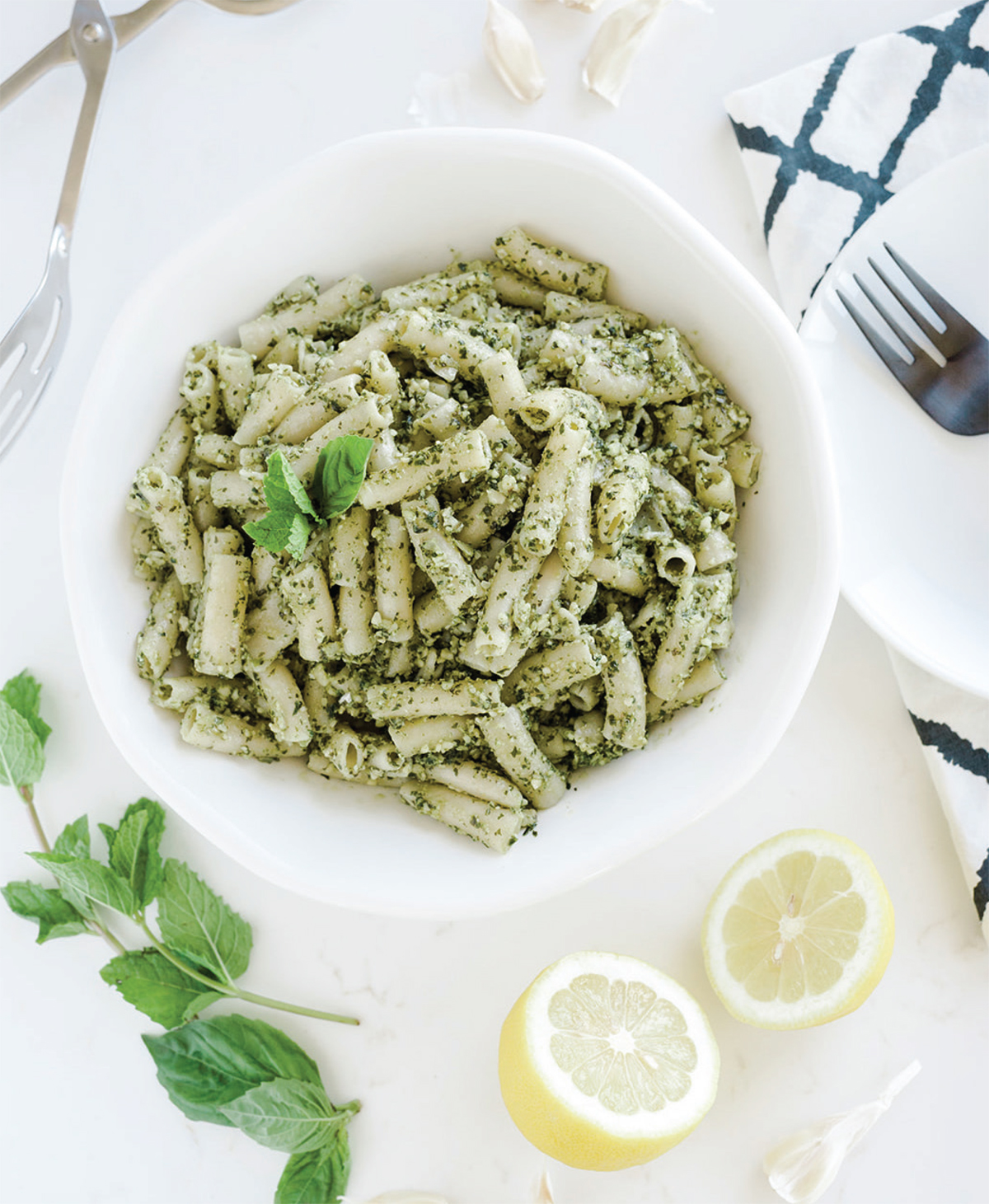
Cashew Basil Mint Pesto