
If you don’t know these, getting healthy may be harder than it needs to be.
If you’ve ever made an effort to be healthier but didn’t attain the results you were looking for, then you are going to love this chapter. Now that you’ve got your goals straight and have the tools you need to make healthier food choices, let’s talk about another big piece of the health puzzle that most—if not just about all—diets miss.
You might have thought, Oh great, by numbers she means that I have to count my calories or measure my grams of carbs every day. Nope! I don’t believe that counting calories or weighing your food is healthy over the long term, and may even start the slippery slope to obsession or an eating disorder. That’s why this book is all about how to create healthy habits that will serve you for life.
First, we’re going to talk numbers. Don’t worry—you don’t need to be a “numbers person” or do any math. (Side note: My college degree is in math. So if you’re a mathlete, too, then we can secretly love math together. For the rest of you, I totally get that most people despise math and I promise never to use the word mathlete again if you promise to keep reading.) When I was doing the research for this book I reviewed a bunch of mainstream diets to remind myself of what was out there. Aside from being bored by seeing the same process over and over simply repackaged with different words, I had an astonishing realization.
Just about every diet I reviewed forgot to mention some critical health numbers that you need to know in order to make progress in your health. It’s astonishing because the truth is that no matter how careful and clean you are with what you eat, if the numbers laid out in this chapter are off, then becoming healthier might feel like you’re peddling on a stationary bike. You’re working pretty hard, but not going anywhere.
After putting thousands of women through online health programs over the years, one of the most common and glaringly obvious desires I’ve heard from my students is that, while they don’t want a diet, they do want structure. Understandably, people don’t want to feel deprived and restricted, but they do want a framework of sorts—tools that they can lean on to make better decisions every day. That’s the aim of this entire book, and in the space of this chapter I want to lay out some numbers that will do just that.

I’ll be the first to admit that none of these numbers are sexy. But do you know what is sexy? A woman armed with the knowledge she needs to take control of her own health and her own life. This kind of woman is so sexy that everyone just wants a sexy piece of her. So keep reading, you sexy smartypants.
There are important health numbers that you can track and understand yourself, without the help of a health-care professional. When I ask most women, “What’s the most important thing to count when it comes to food?” most say calories. But if counting calories worked, everyone would be at their ideal weight.
You learned in the last chapter why simply reducing calories or starving yourself can lower your metabolism and ultimately not work, so let’s talk here about some numbers that are useful to count, and how to get into the habit of keeping an eye on them. Mainly, the healthy allowance for grams of added sugar and grams of fiber consumed each day. The good news is that they are both 25, so you only need to remember one number. You don’t need to count these things every day for the rest of your life, but you should have a general idea of how much added sugar and fiber is in each of your meals and snacks, so you can create a baseline for yourself.
As you remember from Chapter 2, the World Health Organization recommends consuming fewer than 25 grams of added sugar per day—and naturally occurring sugars in whole fruits and veggies don’t count in that total. (I consider fruit juice added sugar because it’s missing the fiber from the whole piece of fruit.) It adds up fast, so stick to real foods as much as possible to limit added sugars.
To make this super clear, let’s look at two seemingly similar examples that aren’t so alike after all. I used conservative estimates for these sugar totals, and even then it’s shocking. The takeaway? Read labels and watch out for hidden sugar. This is just one more reason to prepare most of your own food, too.
In this example, Scenario 1 looks pretty healthy at first glance, but check out how much sugar is hidden in this daily meal plan. Scenario 2 is just as satisfying and is far better for your health.
Scenario 1: 8 ounces of orange juice with nonsugary “whole grain” cereal (25 grams added sugar, 2 grams fiber)
Scenario 2: Homemade Hemp & Chia Seed Overnight Oats with unsweetened almond milk, blueberries, banana slices, and 1 teaspoon of raw honey (6 grams added sugar, 6 grams fiber), with peppermint tea on the side
Scenario 1: 100-calorie snack pack (2 grams added sugar, 1 gram fiber)
Scenario 2: 1 small apple with unsweetened almond butter (0 grams added sugar, 5 grams fiber)
Scenario 1: Entrée restaurant salad with vinaigrette (15 grams added sugar, 6 grams fiber)
Scenario 2: Secret-Ingredient Tuna Boats with avocado (0 grams added sugar, 4 grams fiber)
Scenario 1: Store-bought nutrition bar (10 grams added sugar, 2 grams fiber)
Scenario 2: 1 cup Black Bean & Sweet Potato Superfood Salad (0 grams added sugar, 9 grams fiber)
Scenario 1: Store-bought marinara over chicken with ½ cup pasta and veggies (12 grams added sugar, 5 grams fiber)
Scenario 2: Homemade marinara over chicken with ½ cup quinoa and veggies (2 grams added sugar, 7 grams fiber)
Scenario 1: ½ cup ice cream (14 grams added sugar)
Scenario 2: ⅓ cup No-Bake Extra-Chocolatey Chocolate Avocado Mousse (10 grams added sugar, 1 gram fiber)
Scenario 1: 88 grams of added sugars, 16 grams of fiber
Scenario 2: 18 grams of added sugars, 32 grams of fiber
As you can see, with a few tweaks, Scenario 2 is much lower in added sugars and has double the fiber. Scenario 2 will set you up for healthy habits, while Scenario 1 will make getting healthy feel much harder than it needs to.
Fiber is your body’s main way of dumping excess estrogen. I can’t stress enough how important this is. Estrogen is one of your main female hormones and you need it, but your body needs to be able to process it and get rid of it, too.
Fiber is estrogen’s way out of the body, so pay extra attention to getting enough of it. Not only does fiber help prevent estrogen dominance, it sweeps out your digestive system, debloats your belly, and helps you feel full. Consume 25 (and up to 50) grams of fiber per day. Yes, every single day.
Once you get into the habit of this eating plan you won’t have to count your grams of fiber—you’ll get enough naturally. But if you’re just starting out, track your fiber intake to gauge how much you’re getting each day.
By nature, fiber comes from carbohydrates. It’s the indigestible part of the plant that moves through your digestive system like a spongy broom. There are two types of fiber: soluble fiber that soaks everything up, and insoluble fiber that sweeps it all out.
Don’t worry too much about which type of fiber you’re getting; if you eat a lot of real food you’ll have the right balance naturally. If you find it challenging to consume your 25 or more grams of fiber per day, consider a good-quality psyllium husk fiber supplement. Stay away from flavored, colored, and most commercial fiber supplements (e.g., ones that rhymes with schmedimucial) as they contain food coloring, added sugars, and other unnecessary chemicals. A natural psyllium-based fiber supplement can be a fantastic addition to your morning shake or overnight oats to help you reach the recommended 25 to 50 grams per day.
We nutritionists like to use the word elimination instead of pooping because most people find it friendlier. Whatever you call it, you should be doing it at least once per day and it should be natural and easy. If it’s runny, you may not be getting enough fiber. If it’s hard or in little pellets, you’re most likely dehydrated. If you get plugged up, here are two natural remedies that can help: senna tea or magnesium citrate.
Senna is an FDA-approved nonprescription laxative available in teas found at the natural foods store (I like the aptly named Get Regular by Yogi Tea and Smooth Move by Traditional Medicinals). Most people find senna pretty gentle and that drinking the tea at night helps with elimination in the morning. But everyone can react differently, so I suggest taking it for the first time over a weekend or whenever you don’t have to be somewhere early the next day.
Another option is magnesium citrate, which works as a natural muscle relaxer (your colon is a muscle) to allow for easier elimination. Many people like to take this before bed, as the magnesium has a relaxing effect on all of your muscles. Like senna, I suggest taking it for the first time over a weekend when you don’t have to be somewhere early the next day.
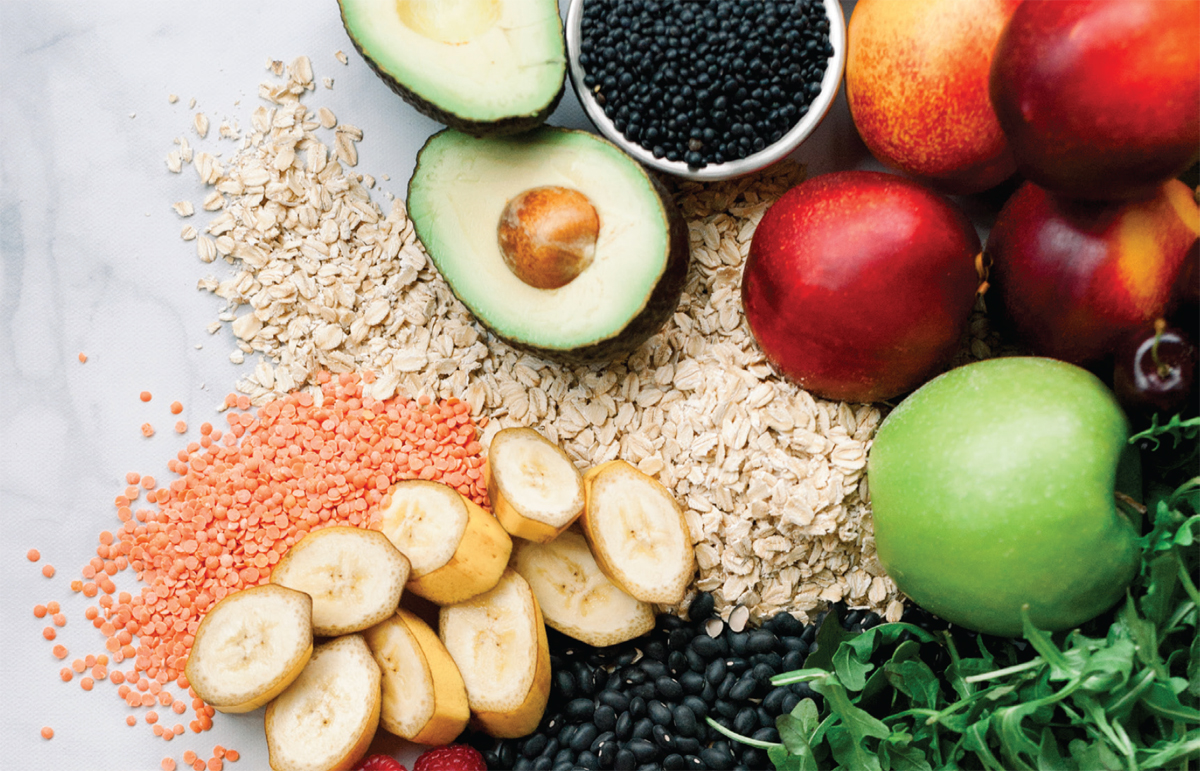
Fiber-rich foods
These natural remedies should be used occasionally when needed and not relied on for everyday elimination. If you feel you need to use them daily, please see a licensed healthcare professional for a consultation.
I consider myself a compassionate and flexible health coach, but the only time I give my clients tough love is when they say, “I just don’t like drinking water.” Um, do you know what does love drinking water? Your cells.
Your body is almost 60 percent water and every one of your cells needs water to function properly. If you’re serious about your health, then drink up. At the very least, the old standby recommendation of eight glasses of water, which is about 64 ounces, will do. Even better, aim to drink half your healthy body weight (in pounds) in ounces each day. So if your natural healthy body weight is 180 pounds, aim for 80 ounces of filtered water each day.
I always recommend filtered water, because the truth is it has to be filtered somewhere. If you don’t filter it, your liver has to and it’s already your hardest-working organ. Give it a little help by filtering the water ahead, and try to avoid bottled water (most of it is just tap water, and plastic bottles are taking over our oceans). A pitcher-style at-home filter works, or a reverse-osmosis system is even better if it’s possible to access one.
Drinking beverages with added or artificial sugars is one of the surest ways for your body to hold on to excess weight and sabotage your Health Habit efforts. By now, most people understand that sugary beverages are trouble, but did you also know that studies have shown that people who use artificial sweeteners (e.g., drink diet soda or use artificial sweetener packets in coffee) actually weigh more than people who don’t use them? As I mentioned before, artificial sweeteners can create the same hormonal response in your body as actual sugar. It’s best to just avoid them altogether.
Another reason to stay hydrated is that you can mistake thirst for hunger. The same area of your brain signals both. Mild dehydration can mimic hunger as well, leading to overeating when you’re really just thirsty. One to two servings of herbal tea (naturally caffeine-free), pure coconut water, or one serving of no-sugar-added kombucha tea are great additions to your daily meal plan if you want something flavorful to sip on.
Consuming caffeinated beverages such as coffee and green tea is a personal choice. Some people do just fine on a little caffeine . . . and some people don’t. If you ever feel jittery or nauseated after a caffeinated beverage it’s best to abstain. Too much caffeine can cause adrenal fatigue and disrupt your sleep.
On the flip side, studies show that a little caffeine before a workout can give you a healthy boost in energy for a more effective workout. Nutritionists like myself find it best not to consume caffeine after noon. Always be mindful of your caffeine consumption and when in doubt, take a break.
If you do choose to consume caffeine, limit yourself to one to two small cups per day, and preferably choose organic as you don’t wash coffee or tea before consumption. Coffee is the most heavily pesticide-sprayed crop in the world. On the flip side, organic coffee, like green tea, is rich in antioxidants and full of plant nutrients. Black tea also contains caffeine and some nutrients. I personally love coffee and find my mornings are more joyful with it, so I consciously choose to sip my bliss but keep a watch out for caffeine jitters.
Just like caffeine, consuming alcohol is a personal choice. I also love a glass of red wine, but let’s not trick ourselves into putting alcohol on a health pedestal. If you don’t drink alcohol there’s no reason to start. However, a few no-sugar-added alcoholic drinks per week can be part of a healthy eating plan if you lead a generally healthy lifestyle.
If you choose to imbibe occasionally there is some information you should know. Proteins, fats, and carbohydrates have to make it all the way to your small intestine before anything is absorbed into your bloodstream. Water and alcohol, on the other hand, can be absorbed as soon as they reach your stomach. That’s why when you consume alcohol on an empty stomach it hits you so quickly.
Alcohol also has to be specifically processed by your liver, which recognizes alcohol as a poison. As a result, it processes the alcohol first, before any proteins, fats, or carbohydrates. This process can slow your metabolism and hinder fat-burning big time.

In my opinion, excess drinking isn’t worth overtasking your liver and slowing down your metabolic processes. If you do consume alcohol, choose wisely. Drier varieties of wine tend to hold less sugar—a glass of high-quality wine contains about 2 grams of sugar, which isn’t technically considered an added sugar, but I group it into that category because it doesn’t have any nutritional benefits.
Dry varieties of white wine include sauvignon blanc and pinot grigio, and dry varieties of red wine include malbec and syrah (some rosés are also dry, depending on the type of grapes used). There are thousands of wines available today, so ask at your local wine store for help.
Beer almost always contains gluten and the carbonation creates bloat fast, so reconsider or use caution when choosing it. And be alert to those sugar-containing mixers added into your cocktails! While liquors like vodka, bourbon, or tequila don’t themselves contain added sugars, they can still affect your blood sugar levels and hormones, not to mention your judgment of that late-night pizza delivery service. Remember, anything you add to drinks counts in your 25 grams of added sugars allowance.
Keep up your qualitarian ways, and if you do choose to drink alcohol, choose the best quality you can afford—especially when it comes to wine, because large-scale wine companies add all sorts of additives and sugars to the more inexpensive bottles. And finally, the U.S. dietary guidelines state that women should not consume more than seven alcoholic drinks in a one-week time frame, and never more than three drinks in one 24-hour period.
This information isn’t meant to kill your good time—it’s meant to keep you healthy enough to enjoy years of good times in good health.
While not the steamiest topic in the exercise world, the number of daily steps you rack up matters. Aim for 10,000 to 12,000 steps per day and watch your health improve. Not only will you get a bump in your metabolism, but the increased circulation, muscle movements, and energy boost you’ll get from hitting this goal all work to improve your health.
Many people also find more connection with others in meeting this goal when they walk with family and friends and schedule social outings around movement. Most smartphones and smart watches have built-in step trackers, or you can find an inexpensive pedometer or fitness tracker, like a Fitbit, to count your daily steps.
Most fitness trackers also have online apps where you can create groups and share your stats. My family is all on an app and my 69-year-old mother beats my two sisters and me just about every single day with her steps—motivation for me to move more! I once saw my sister give her Fitbit to her toddler to run about the kitchen island until her step count caught up with my mom. The hysterical laughter that followed probably made up for the lack of steps that day. (And my sister wants me to tell you that she only did that once.)
Whether it’s a morning walk, trail run, lunch stroll, or full-on exercise class, strive to hit this goal every day and to keep moving. Both your mental and physical health will benefit.
This one requires a little more effort, but it is absolutely worth it, because you are worthy of good health. We talked about the glycemic index and how different foods affect different people’s blood sugar (blood glucose) levels differently. Now it’s time for you to get intimate with your own blood glucose numbers. Even if you are at a healthy weight, these are important numbers to know.
It’s well-known that diabetes is an epidemic in the United States. But type 2 diabetes doesn’t happen overnight. What you may not realize is that most people who end up with type 2 diabetes live with prediabetes for years, even decades, before being diagnosed.
Diabetes often develops because people have been ignoring their health for years, but knowledge is power, and you can change this trend in your own body. No shame for past decisions. You can consider today day one and change your health. It doesn’t matter your weight, age, gender, or background, you need to know these numbers.
First step: Grab a blood glucose monitor at any pharmacy. They are relatively inexpensive—around $30—and often come with a few lancets and strips. The strips are what become more costly, but you’ll just need one small pack to get started (you can ask the pharmacist for a generic brand and smallest count of strips and lancets).
Read the instructions to your monitor to learn how to use it. Yes, you’ll be pricking your finger for a tiny drop of blood to test, but don’t let that scare you off—diabetes is way scarier. Learning to know your blood glucose numbers will not only help you ward off this disease, it may help you control your weight, too.
There are two times of day I want you to measure and record this number: To start, test your fasting blood sugar every morning, right when you wake up, for 10 days straight. Fasting means you haven’t had anything to eat or drink except water since going to sleep the night before. Even do it before brushing your teeth, in case your toothpaste has a sweetener in it.
Test at the same time each day, and control your variables (e.g., time of day, fasting state, normal daily happenings) as much as possible. For instance, take into account that if your kid wakes you up at 2 A.M. or you have to wake up at 4:30 A.M. to catch a flight and you have had an abnormal night of sleep, it can affect your morning reading.
Your fasting blood sugar upon waking should be 90 or below. General Western medicine typically says 100 or below, but a modern functional medicine practitioner generally wants to see it at 90 or below. If it is consistently above 90 to 100, then work on reducing your sugar intake and make an appointment with a health-care professional.
The second time to test daily is 30 minutes after you’ve finished a meal. You can do this after every meal, but do it after at least one (the same meal), again for 10 days straight. Thirty minutes after eating, your blood sugar should remain below 135. If that number is above 135, what you just ate spiked your blood sugar out of the normal range. The next time you eat this food, add some healthy fats and protein to stabilize the effect of the food on your blood glucose levels. Continue to monitor and test this until you know the combination of foods that keeps you in the normal range. These ranges apply to both women and men.
If after 10 days of testing, your fasting and after-meal blood glucose levels are in the normal range, then there’s no need to keep testing, at least for now. Make it a habit to repeat this process every six months to a year to know your numbers and keep tabs on yourself. If you’re consistently out of the normal range, work on eliminating processed foods, all artificial sweeteners, and excess sugars from your food.
Emotional stress and other health factors can also cause differentials in blood glucose levels. I recommend seeking out a licensed health-care provider for more testing and support if you’re consistently out of the normal range, regardless of how you eat.
Nothing is a perfect test or perfect science, so I also want to mention that even if a whole fruit or vegetable on its own spikes your blood sugar, it doesn’t mean that it’s necessarily bad. You’ll benefit from the fiber, natural hydration, vitamins, minerals, and phytonutrients in the food. Just combine it with a healthy protein and/or a healthy fat to keep your blood sugar stable and not miss out on all of nature’s benefits. If you combine the fruit with protein and fat and still find yourself out of the normal range, eliminate that fruit and continue to test.
This is another simple number you can do at home. There is a direct correlation between waist circumference and increased risk of disease.
Now, that’s not to say that you can’t have a larger waist size and still be healthy. I didn’t used to recommend knowing this number because, as with weight loss, it’s important to remember that you are not a number on a scale or measuring tape. I’ve shifted to including waist circumference in my program because if knowing it can lead you to choose healthier habits and avoid disease, you should know it.

According to the National Institutes of Health (NIH), a waist circumference of 35 inches/88 centimeters or more in women (40 inches/102 centimeters or more in men) is associated with a higher risk for heart disease and type 2 diabetes.1
It’s simple to measure your waist. Grab a soft measuring tape (not the one from your toolbox) and stand with your feet a normal hip-width distance apart. Place a tape measure around your middle, just above your hipbones at your natural waist. Measure just after you breathe out. If you’re concerned by the result, keep following the steps toward health in this book, and discuss this number with your health-care professional.
We’ve all heard this one from the doctor’s office, and just about all of us skip it. I’m guilty of that too, but getting familiar with your breast tissue isn’t just for your physical health, it also connects you with your feminine spirit, and it’s a form of self-care. Plus, 25 percent of breast cancers in the United States are detected by women’s self-examination . . . 25 percent!2
It’s totally worth it to take a couple of minutes each month; if you’re not sure how, check online—one of my favorites can be found by entering “breast self exam” at mayoclinic.org. This is an important addition to your Health Habit routine.
This is where my attorney wants me to remind you that I am not a medical doctor. And trust me, I want to bring that up too because medical doctors—and nurses!—know way more about this than I do, and are your allies in your quest for health.
However, as a health coach and wellness program creator, I’ve done loads of research into the questions that I get asked when my clients are making their best efforts to reach their health goals but nothing seems to help. What follows are the most common things I ask them to discuss with their health-care professionals. While each of these can seem small, they have a dramatic impact on your well-being if they are out of the normal ranges.
The confusion comes from what’s considered “normal.” Unfortunately, older standards for optimal ranges are still widely used around the world for some of these tests. The numbers referenced here reflect newer, updated standards that most functional medicine practitioners will follow.
When your lab indicates a value, check it against these updated numbers. For example, the lab or your doctor might indicate a vitamin D level of 30ng/ml is okay and tell you that you’re good to go, but newer standards have set the optimal range at 40 to 65ng/ml. An inexpensive vitamin D3 supplement is easily absorbed and can raise your levels, and have a big impact on your health.
There are literally hundreds of potential tests your doctor can order and many standard tests that I’m not going to mention here, such as checking your heart rate, blood pressure, and CBC panel. What follows is not a comprehensive checklist, nor is it meant to diagnose a condition. I’m encouraging you to know your numbers as a way to become more aware of your own health.
Work with your health-care provider to determine what tests you need. Here are some to consider:
Vitamin D is actually a hormone, not just a vitamin, and it plays an important role in your metabolism, immune function, and other vital systems. Symptoms of low vitamin D levels include difficulty losing weight, depression, lethargy, fatigue, getting sick often, muscle pain, and hair loss, among others.
Your glorious body will make enough vitamin D if your arms and legs are exposed to sunlight (without sunblock) for about 15 minutes daily in summer months. When sunlight is absorbed by the skin, your liver and kidneys get the message and turn it into vitamin D—just another reason to thank, and support, your liver for being your hardest-working organ.
You can also get vitamin D from dietary sources, such as fatty fish like salmon, mackerel, or tuna; or from fortified foods including orange juice and cereal. But since we know that cutting out high-glycemic packaged food (like fortified orange juice and cereal) has mega health benefits, they are less desirable options.
Deficiencies arise because you need that exposure or dietary consumption every single day to maintain optimal blood levels. In my experience, it’s rare that a client is able to get this much sun exposure and/or eat high-quality fatty fish daily.
Moreover, according to the Harvard Women’s Health Watch newsletter, it’s virtually impossible to produce enough vitamin D from the sun if you live 37 degrees above the equator (in the United States, that’s basically north of Arizona and Tennessee), because the sun doesn’t get high enough in the sky for its rays to penetrate the atmosphere.3
Optimal blood levels of vitamin D are between 40 and 65ng/mL (or 100 to 160 nmol/L for those of you who use the metric system). If you are low, take a vitamin D3 supplement and retest in three months. I take a 2,000 IU tablet of vitamin D every day, even in summer, and my vitamin D levels hover right around 65ng/ml year-round. Everyone will be different, just get tested and add a supplement as needed.
In laymen’s terms, thyroid-stimulating hormone (TSH) is secreted by your pituitary gland; its job is to tell your thyroid gland to secrete the right amount of thyroid hormones. Your thyroid plays a critical role in your metabolic processes as well as just about every system in your body.
If your TSH is normal, that means your body is making enough thyroid hormones. If your TSH is high, on the other hand, it means your pituitary gland is trying to stimulate more thyroid hormone production but it might not be working.
So high TSH indicates low thyroid levels. This condition is known as hypothyroidism, and symptoms include but are not limited to fatigue, weight gain, often feeling cold, hair loss, and dry skin.
More than 12 percent of the U.S. population will develop a thyroid condition in their lifetime, and women are five to eight times more likely than men to have thyroid problems. Up to 60 percent of those with thyroid disease are unaware of their condition,4 so it’s important to get your TSH checked if you often have low energy levels or find it difficult to lose weight. Many labs and doctors use older standards of “normal” TSH levels between 0.3 and 5.0 mU/L. According to my own functional medicine practitioner, 5.0 is far too high.
I’ve been treated for my own low thyroid condition since age 18 and all of my doctors—along with most endocrinologists—agree that a TSH as close to 1.0 is ideal. I’ve been working with doctors for years to get to the root cause of why my thyroid levels are so low, and I wish I had an answer for you (perhaps in a future book!).
The fundamental reasons for low thyroid levels remain mostly a mystery, but new ideas emerge every day. Treating the root cause is always the main goal of a functional medicine practitioner, but even when this remains unknown, it’s still important to manage the condition. I manage my low thyroid levels by taking a T4 hormone replacement (known generically as levothyroxine) each morning. Although levothyroxine is a synthetic, it is bio-identical to the T4 (thyroid hormone) produced in your body.
There are also animal-derived thyroid replacements, called glandulars, that some people find more “natural.” These are derived from pigs, purified, and are not bio-identical to your hormones. I took a glandular for a while and my condition became worse, but you may have a different experience.
All in all, I feel great since learning to manage my thyroid levels and I continue to monitor them closely. If I’m not sleeping well, if I’m gaining weight, or if I feel off in general when nothing else has changed it’s the first thing I check.
The important thing is to be in charge of your own health and work with your healthcare provider to find the best solution for you. There’s no shame in taking a little help from Western medicine while you continue to explore the root cause of an ailment.
I could go on and on, but I’ll finish my thyroid rant by letting you know that there are multiple thyroid hormones and tests, and your doctor may choose to do a full thyroid panel to determine what is happening with you, which I also recommend. Explore that with your health-care provider as needed.
Cortisol is your main stress hormone; it’s made by your adrenal glands and released naturally in your body each day. It affects your energy levels by regulating the release of glucose and maintaining normal awake periods.
Maintaining normal cortisol levels is critical to maintaining a healthy weight and healthy sleep cycles. Normal cortisol levels start out lower in the morning, gently peak early in the day, then naturally fall as evening sets in.
All lab tests are a snapshot in time, and this is especially important to consider when testing cortisol. A specifically stressful event or day can send this snapshot out of whack. However, having your cortisol tested can give you an idea if your levels are in the normal range. Some doctors will just test morning cortisol, and some will do four tests in the same day to make sure your levels rise and fall within normal ranges. I prefer the four tests in the same day if feasible.
You may not even need a lab test to know if your cortisol levels are abnormal—chronic levels of physical or emotional stress, inconsistent sleep cycles, or having erratic or dragging energy are all signs of abnormal cortisol levels. If you have that “wired but tired” feeling of not being able to fall asleep, you may have abnormal cortisol levels.
This is one area for which stress reduction is really the only antidote—you can’t cheat your way to normal cortisol levels with food or supplements in the long term. Even if you’re eating well, exercising, and doing everything “right,” excessive amounts of stress can dramatically affect cortisol levels, which in turn affect your body, weight, and sleep.
I had my annual physical with my functional medical practitioner right after signing the deal for this book. At the time, life was great. Hectic, yes. But overall, business was great, relationships were steady, and I had a sense of excitement about life. I was having a hard time falling asleep and feeling a little tired, but those things had been my norm since I was a teenager so I didn’t think much of it.
At my physical, my doctor said, “Well, the good news is that your thyroid is right on point. The bad news is that your cortisol is too low in the morning and too high at night.” I said, “That’s strange, life is so good right now!” She knew I had just signed the book deal, and replied, “Liz, your body can’t differentiate ‘good’ or ‘bad’ stress. It doesn’t know if you’re running from a tiger [bad unless you are a tiger], or feeling the massive stress of writing your first book [good if you are a blogger who wants a book deal]. Stress is stress—it doesn’t matter where it comes from.”
She prescribed that I do more stress-reducing activities like sitting still while breathing or meditating and low-impact movement like yoga. She also suggested that I try an adaptogenic herb called ashwaganda in the evenings, but the stress-reducing activities were the biggest piece of the puzzle. I had my cortisol levels back to normal within a few months. (See more on adaptogenic herbs.)
We’ve already discussed how you can check your blood glucose levels at home. An A1C test (also called hemoglobin A1C) is performed by your doctor and reflects your average blood glucose levels over the prior three months.
You might be wondering, Why check at the doc if I’m testing at home? It’s because I don’t think you can be too aware of these numbers, and some doctors won’t even test for this until you’re well on your way to diabetes. As Benjamin Franklin once wrote, “An ounce of prevention is worth a pound of cure.” Even if you are seemingly healthy, ask your doctor to add this test to your lab order. It’s another inexpensive test to help you see the picture of your overall health.
While not necessarily a number, an annual exam remains important for catching things early. I’ve noticed a trend among my clients to skip their preventative Western medicine checkups once they’ve ventured deep into other areas of wellness and alternative medicine.
Now, don’t get me wrong, I’m all about the healing powers of your own body, using food as medicine, and exploring natural and ancient healing modalities. I’ve meditated, chanted at retreats in the woods, and participated in Mayan cacao ceremonies in the jungle (which prompted a childhood friend who saw the photo to text my sister and ask if I was okay; little did she know that yes, I was entirely okay and even had a little bit of a natural high from the fresh cacao—raw chocolate, totally safe).

I’ve also done things for the sake of wellness that I can’t mention here because my dad is going to read this book. For all intents and purposes, I’m an alternative-medicine-loving hippie devoted to my inner spiritual goddess, and I have a feeling you have a little alternative-medicine-loving hippie in you, too. But that doesn’t excuse either of us from not being informed about our physical health in the here and now.
According to the World Health Organization, cervical cancer is the second-most common type of cancer among women. Cervical cancer is considered preventable because it has a long preinvasive state, there are screening programs available (e.g., a Pap smear or visual inspection), and treatment of preinvasive lesions is effective.5
Your annual well-woman exam is often covered as preventative medicine at no cost under insurance, and some providers will even combine all the tests discussed in this chapter into one appointment. Remember when we talked about goals in the first chapter? A great goal this week would be to call and schedule your next well-woman exam.
This isn’t so much a number, but rather a topic to explore with your health-care provider if you have mystery symptoms such as fatigue, weight gain, excessive bloating or digestive issues, skin issues, pain, hair loss, insomnia, or anything else going on with your health that you can’t explain.
Approximately one in five Americans—that’s 50 million people in the United States alone—suffer from autoimmune diseases.6 Women are more likely than men to be affected by an autoimmune condition, and if one goes undiagnosed or untreated, getting healthier might feel a lot harder than it needs to.
There are multiple theories as to what causes autoimmune diseases and why they may be on the rise. My best advice is to not spiral out of control down the Internet rabbit hole of information, but rather to arm yourself with as much information as possible and keep working with your health-care provider.
Autoimmune conditions can be tricky to diagnose, so try new ways of eating or treatments as necessary. I was diagnosed with Hashimoto’s thyroiditis because my thyroid antibodies were slightly high, but as they were never high again I believe mine to be a misdiagnosis.
New science suggests that chronic infections can also present as autoimmune symptoms, which is what happened to me. My misdiagnosis led me down a new path of exploring the possibility of reactivated Epstein-Barr virus (EBV), which later tests would reveal I do have.
If you have mystery symptoms, I suggest asking your doctor to add both an active EBV test and Lyme disease test with your other blood work so you can understand if your body is fighting a chronic infection. There isn’t a standard treatment for dealing with EBV, Lyme, or most chronic infections, but at least you’ll know what’s happening in your body. Mold toxins, known as mycotoxins, can also contribute to mystery symptoms. Living a healthy lifestyle (and eliminating mold toxins if they are causing trouble) can help you feel better while you explore the root cause of your symptoms.
I know how frustrating mystery symptoms can be. It may be an autoimmune condition, chronic viral infection, or mycotoxin invasion, or it may not be. Regardless, you are not crazy and I believe you. If you have unexplained symptoms and a conventional doctor tells you that you’re fine, keep advocating for your own health. Seek out the help of a naturopath or functional medicine specialist and don’t give up. Only you live in your body and you are always your own best health advocate.
The tremendous amount of negative media about high cholesterol in the 1980s and 1990s scared many people into thinking that testing for this was critical. But as science and medicine have evolved, it’s now understood that cholesterol is necessary for healthy brain function. In fact, 25 percent of the cholesterol in the body is found in the brain. It’s also a building block for vitamin D, hormones, cell membranes, and bile acids used in digestion.
All that to say, cholesterol’s pretty freaking important and suppressing it with drugs can harm every system in your body. Moreover, dietary cholesterol (for example, the cholesterol in an egg) does not necessarily impact blood cholesterol (interesting, I know).
Most modern functional medicine specialists don’t fret if your cholesterol is slightly elevated. In fact, they would rather see higher blood cholesterol than put you on a statin drug (a type of drug that lowers blood cholesterol) because your brain and cells need it. With regard to life expectancy and heart disease, it’s also interesting to note that people with high cholesterol tend to live longer, and that people with heart disease are more likely to have low levels of cholesterol.
Like all numbers here, work with your health-care provider. If they suggest a statin drug, I urge you to read Statin Nation by Justin Smith. Do your own research, including reading information outside of the drug manufacturer’s literature. It’s still your choice to take it, but you’ll at least have the information you need to know what it’s doing to your body. I’m all for Western medicine, but in my opinion statins might be the worst drugs ever approved for human consumption.