
Making the right choices, no matter how you eat.
It’s time to get fired up. Like having to call the airline and wait on hold for an hour only to pay $390 to change a plane ticket you bought two days ago, followed by a call to your cell phone company about 15 extra charges for features you don’t use, and rounding it out with a call to the cable company for tripling the price of your package, only to hear “that deal is only for new customers” fired up. (Because nothing brings out the best worst parts of you than airlines, cell phone companies, and cable providers.)
You’ve been lied to, and you should be mad. You don’t need to stay mad—bless and release it, like forgiving the customer service agent who is just as frazzled as you are—but you do need to learn the real truth about real food. Specifically, how to get more of it, how to love the taste of it, and what minimally processed and packaged items are acceptable enough to allow into your food repertoire.
For the purposes of this book, when I talk about highly processed foods I mean foods that are so far from nature that they lack any nutrition. This includes items such as packaged, preservative-filled pastries and breads, meats with mystery ingredients, and lab-created foods.
Technically, any food changed from its original form would be considered processed, including my Cashew Basil Mint Pesto recipe, a smoothie made from wholesome ingredients, or a prepackaged item made with nutritious ingredients. These minimally processed foods are perfectly acceptable in the qualitarian way.
Unless you’ve been living under a rock for the past 10 years, you’ve probably heard that highly processed and packaged junk food is bad for you, and real food is good for you. Yet, I don’t think most of us actually understand the lengths to which processed-food companies go to craft chemical combinations that make us addicted to their products. And don’t think that this is just reserved for the big-bad-wolf companies out there. Some products that are labeled as “healthy” and found in health food stores do the same thing.
Scientists get paid big bucks to formulate flavors and combinations that set off a chemical response in your brain, one that keeps you coming back for more. Have you ever had a cheese puff and been satisfied with just one? Of course not. The flavor and texture of those things is carefully created to make you want more. On the flip side, have you ever wanted to eat more than one banana in a row? Not really. One usually does it (and that’s what nature intended).
Before we dive into the real truth about real food, I want to mention the one diet label that benefits everyone. We’ll get into diet labels (vegan, paleo, or keto, anyone?) in the next chapter and whether or not it’s a good idea to follow one, but in the context of real food, I want to introduce you to the concept of becoming a qualitarian.
A qualitarian is someone who may or may not follow a specific dietary plan, but who always evaluates the quality of food before consuming it. A qualitarian asks questions like, Where did this food come from? Are the ingredients naturally sourced? If it’s animal-based, was the animal treated well? Is this high-quality food? Different people may have different answers to those questions.
The point is that—above all else—the quality of the food is the biggest factor in determining whether to consume it. The rest of this chapter will focus on becoming a qualitarian, regardless of what else you determine for yourself, and helping you navigate all the food options available to you.
See, I told you this was going to be fun! And by fun I mean not restrictive or diet-y.
One of the biggest benefits of living the qualitarian way is that high-quality real food will generally lower chronic inflammation levels in your body.
Inflammation is your body’s natural healing response. There are two types of inflammation: acute and chronic. Acute inflammation is something like swelling and scabbing that happens when you cut your finger.
Acute inflammation can also occur when you have a short-lived infection, injury, or toxins in your body. Your body goes into action to send blood and fluid to the spot the way moms flock to a Target sale, then heals the wound by closing it and forming a scab that eventually sloughs off.
Acute inflammation can also occur when you exercise and build muscle mass, which again is a good thing. Acute inflammation is generally helpful in terms of healing—it’s what you want to happen when you hurt yourself.
Chronic inflammation, on the other hand, is not something you want hanging around in your body as it can have a negative impact on your overall health. Chronic inflammation occurs when cells and tissues just can’t overcome the short-lived inflammation.
Chronic inflammation can be a result of consuming excessive amounts of sugar or eating poor-quality foods in general, as well as long-term exposure to harmful chemicals from things like beauty and cleaning products, air pollution, or toxic mold, just to name a few. It can damage your cells and organs, and lead to chronic degenerative diseases including cancer, type 2 diabetes, and heart disease.
One reason chronic diseases are often called “lifestyle diseases” is because they can largely be prevented by living a healthy lifestyle. That’s good news, and by following the steps in this book you can dramatically change your bad habits into healthy ones, and reduce the levels of chronic inflammation in your body.
Two eating styles that stand out in the qualitarian way are the Mediterranean diet and the Blue Zone diet, both of which are more eating styles than actual diets. The Mediterranean diet includes traditional foods found in eating habits of people in counties around the Mediterranean Sea such as Italy, Greece, and Spain.
So-called Blue Zones—coined by National Geographic Fellow Dan Buettner—are five areas of the world where people live the longest: Okinawa, Japan; the Ogliastra region of Sardinia, Italy; Nicoya Peninsula, Costa Rica; Ikaria, Greece; and Loma Linda, California. The longevity and high levels of lifetime happiness reported from the people in Blue Zones are largely attributed to their wholefood eating styles and daily movement.
Both the Mediterranean and Blue Zone ways include eating a plethora of vegetables, whole fruits, some (but not a lot) high-quality meat, reduced dairy, some type of fermented foods, and little to no added sugar. Neither of these eating styles requires strict labels. Rather, they focus on eating available foods that are close to nature.
Here’s the bad news: Over the past few decades, processed foods, and even processed “health foods,” have taken over our grocery shelves and our kitchens.
But here’s some good news: With a little inspiration and know-how, you can make real food the main focus of your daily eating plan. You can get back to basics with real food that is more convenient, less expensive, and even better tasting than processed foods.
Quality dietary proteins come from meats (preferably naturally raised), eggs, and fish, as well as plant-based, protein-rich foods such as beans, lentils, and seeds. Some nuts, such as almonds, also contain a fair amount of protein. Some legumes, such as black beans and lentils, double as a protein and a good carbohydrate. Highly processed meats such as bacon and sausage are less desirable sources of protein because they often contain nitrates, preservatives, and fillers that you probably don’t want to know about.
Good-quality protein powders such as grass-fed whey, pea protein, or hemp protein can also be part of a healthy eating plan.
Collagen protein powder has become quite the health food star as of late. Collagen is the most abundant protein in your body that weaves your connective tissues together. It gives your skin that youthful bounce and makes your hair and nails long and strong. It can also help heal the lining of your gut.
Nutrition-wise, collagen is not a complete protein (i.e., it does not contain all nine essential amino acids), so it should not be relied upon as your main source of protein. However, since it gives your body the building blocks to make more of its own collagen, it makes a fantastic addition to your smoothies, soups, or favorite hot drink for its beauty-boosting and gut-healing properties.
Proteins are chains of the amino acids that are the building blocks of your body. Protein satiates you, so if you often feel hungry or are hit with an urge to snack, try boosting your protein intake.
You need a moderate amount of protein to be healthy. I don’t find it beneficial to ask you to count calories or weigh your food, but you should generally know how much protein you’re getting, because women often don’t get enough of it.
As a rough calculation, a good formula that will help you maintain a healthy body weight is 0.8 grams to 1 gram of protein per kilogram of your naturally healthy body weight. (Yes, we Americans need to use the metric system for a moment.)
That means if your naturally healthy body weight is 150 pounds (roughly 68 kilograms), 54 to 68 grams of protein per day will help you maintain a healthy weight. That’s about 15 to 20 grams of protein in your main meals and some protein in your snacks, assuming you eat five times per day.
There’s no reason for you to go onto a high-protein diet, because your body can convert excess protein into glucose, which raises your insulin levels and doesn’t serve your health. This means you need to understand what “a moderate amount of protein” actually means.
Again, I don’t want you to obsess about counting, but there are some things, like protein, water, and fiber, that you need to have ballpark goals for. Examples of ways to get about 20 grams of protein in one meal would be one whole egg plus two more egg whites, scrambled; or one medium-size chicken breast; or unsweetened Icelandic or Greek yogurt with a few tablespoons of nuts or seeds; or one heaping cup of cooked black beans; or a high-quality protein powder blended in a smoothie.
Quality healthy fats can come from plant-based foods, including avocados; olives; extra-virgin olive oil; coconuts; tree nuts such as cashews, walnuts, and almonds; and seeds such as chia and flax.
Highly refined oils, such as vegetable oils, are undesirable sources of fats because they’ve been heated to the point of denaturing the oil and contain fewer nutrients than higher-quality options. The term denatured means that a food, in this case oil, is heated to a point that its chemical composition is changed, thus making it more difficult for the body to assimilate. Vegetable, canola, soybean, and other highly processed oils are often heated to the point of becoming denatured during the manufacturing process.
Real-food fats also come from animal sources, including milk, butter, ghee (clarified butter), eggs, and some cuts of meat. These don’t work for everyone, as many people cannot tolerate the proteins found in milk and butter and avoid dairy, and some do not consume meat as a personal decision.
Whatever the source, healthy fats keep your cell membranes permeable, important to allowing nutrients in and waste out. They also help keep your skin hydrated and hair shiny—yes, fats are beautifying. Include healthy fats in all of your meals and snacks, and avoid “low-fat” processed foods, as they’re usually stuffed with sugar to compensate for the lack of flavor.
Carbohydrates come from plants. Real-food, healthy carbohydrates include vegetables, whole fruits, whole grains (think whole rolled oats, rice, and quinoa), and legumes (beans and lentils).
Highly processed, and thus undesirable, carbohydrates come from grain flours. You know the culprits—bread, tortillas, pasta, pastries.
Nothing sabotages your healthy habits and efforts more than nutrient-void, highly processed carbohydrates. Even breads or crackers labeled “whole wheat” or “whole grain” are usually still highly processed and raise your blood sugar levels to alarming rates.
Eating two slices of highly processed whole-wheat bread can elevate your blood sugar even more than two tablespoons of white table sugar! We’ll talk more about blood sugar in the next chapter; just know that foods containing highly processed carbohydrates should be consumed in moderation or cut out altogether.
However, unprocessed carbohydrates, like the vegetables, whole fruits, legumes, and whole grains (if you tolerate them) mentioned above, are absolutely healthy and do not need to be cut from your eating plan. Just don’t make highly processed carbs the main part of any meal, as they’re mostly devoid of nutrients, contain excessive amounts of sodium, and can cause those blood sugar spikes. (And if you do eat bread, one made of a fermented sourdough starter, plus high-quality flour, salt, and water—just those four ingredients—is the healthiest choice.) Sprouted-grain breads made with wholesome ingredients can also be an occasional choice if you tolerate grains, but not the main event.
Instead, try one of the many wonderful wholesome alternatives to these items, such as brown rice pasta and Almond Flour Bread. You may be surprised how your taste buds will enjoy these, and your body will thank you.
Other highly processed foods—such as sugar-laden flavored yogurts, sugary drinks, canned foods loaded with sodium and preservatives, and condiments such as soy sauce—are full of sodium, excess sugar, and artificial preservatives. Simple swaps for these items will make a big difference in your health (see the handy chart of the 28-Day Kick-Start Plan).
You may have heard the word superfood before and wondered which foods actually qualify for this designation. It may seem like the food has to sound exotic (goji berries), be hard to pronounce (acai), or be the most expensive thing on the shelf (dragon fruit in the middle of the Rocky Mountains in December).
But the truth is that just about all foods from nature are “super.” The humble black bean doubles as a protein and good carbohydrate, and is loaded with fiber, essential minerals, and B vitamins. Apples and bananas are superheroes loaded with natural hydration, antioxidants, and fiber. The same goes for just about anything in the produce section of your local store.
I also like to use the word superfood in recipes to remind my blog readers that a recipe is good for them. But don’t be fooled into thinking that nature’s abundant basics aren’t just as good for you as a one-ounce $15 bag of the current “it” food in wellness.
Food is generally higher in nutrients when it’s in season, so go for the freshest in-season food at the best price you can find.
By now you’ve heard that consuming excessive amounts of sugar is bad for you. But most people don’t realize how sneaky companies have become at hiding sugar, especially in savory foods.
It’s up to you to read labels carefully and watch out for hidden sugar. The World Health Organization (WHO) recommends consuming fewer than 25 grams of added sugar per day for women (35 grams for men),1 and leading nutritionists and health experts agree.
However, I want to make one thing clear: Naturally occurring sugars in fruits and veggies do not count as part of that total, which means you can still enjoy sweet foods such as fruit smoothies without dipping into your daily allowance. WHO is referring to any sugar that is added to a food, including natural sweeteners.
If you eat any packaged or premade food, this 25-gram allowance adds up shockingly fast. You know your home renovation budget goes further when you DIY it a little, and the same rules apply here. If you make most of your own food, you can spread out your sugar budget with more than enough left over.
Most six-ounce flavored yogurts contain a whopping 20 to 26 grams of sugar, which is more than a Snickers bar, and more than your total daily allowance. Even savory foods can contain high amounts of added sugar; most store-bought marinara sauce contains 10 to 12 grams of sugar per ½ cup serving.
Sugar even hides in foods that seem healthy. Just as you can put lipstick on a pig, you can put vegan frosting on a cupcake but—you guessed it—it’s still a cupcake. Manufacturers know that you’re savvy and probably looking for sugar on the label, so they just simply rename it.
Here are dozens of other names for sugar that’s still sugar . . . look for them when you read product labels:
| Agave nectar | Barbados sugar | Barley malt |
| Barley malt syrup | Beet sugar | Brown sugar |
| Buttered syrup | Cane juice | Cane juice crystals |
| Cane sugar | Caramel | Carob syrup |
| Castor sugar | Coconut palm sugar | Coconut sugar |
| Confectioner’s sugar | Corn sweetener | Corn syrup |
| Corn syrup solids | Date sugar | Dehydrated cane juice |
| Demerara sugar | Dextrin | Dextrose |
| Evaporated cane juice | Fructose | Fruit juice |
| Fruit juice concentrate | Glucose | Glucose solids |
| Golden sugar | Golden syrup | Grape sugar |
| High-fructose corn syrup (HFCS) | Honey | Invert sugar |
| Malt syrup | Maltodextrin | Maltose |
| Mannose | Maple syrup | Molasses |
| Organic cane sugar | Palm sugar | Powdered sugar |
| Raw sugar | Refiner’s syrup | Rice syrup |
| Sorghum syrup | Sucrose | Sugar (granulated) |
| Sweet sorghum | Syrup | Turbinado sugar |
Remember, since the sugars present in real, whole fruits and veggies don’t count toward the 25 grams of added sugar limit (35 for men) mentioned above, you can use whole fruits and veggies to add flavor, sweetness, and extra nutrition to your food. Just try to use the whole piece of fruit, not just the juice, as the fiber and extra water in the whole fruit are necessary to keep the natural sugars healthy.
If you like to hang out in the health and wellness space, you’ve probably heard people say that fructose (the sugar found in fruit) is bad for you. That’s only a half-truth. When fructose is taken out of context (i.e., literally out of the whole fruit in the form of juice) and distilled down to just fructose, then it can be hard on your liver.
But keep in mind, fructose doesn’t occur naturally on its own anywhere in nature. (High-fructose corn syrup and agave nectar are both processed, distilled forms of fructose and should be avoided.) The vitamins, minerals, fiber, and water in the whole fruit turn the entire package into one of healthiest options you can make.
A study of more than 6,000 women who were followed for six years showed reduced odds of depressive symptoms among those who ate two or more pieces of fruit per day, even after adjusting for factors including smoking, alcohol, body mass index, physical activity, marital status, education, energy, fish intake, and comorbidities.2 (By the way, a co-morbidity is the simultaneous presence of two chronic diseases or conditions in a patient. I had to look that one up, too.)
Have you ever tasted a ripe, in-season peach or some raspberries straight off the bush? No gummy candy or slushy can replicate that flavor. When at home, try unsweetened Greek or coconut yogurt with berries and a teaspoon of raw honey; it contains only 6 grams of added sugar (from the honey), so it’s a much better choice than that whopping 26 grams in presweetened yogurt.
Or try a small apple with two tablespoons of unsweetened almond butter; no added sugar here! “Nice-Cream,” a blend of frozen bananas that resembles ice cream, is another great, no-added-sugar dessert option. There are a lot of real-food options to satisfy your sweet tooth—check my website (elizabethrider.com) for even more ideas.
Don’t think you can just replace sugar with artificial sweeteners to tame your sweet tooth. It may be shocking, but marketers have once again not been fully truthful with you. Artificial sweeteners such as Splenda, NutraSweet, and Truvia aren’t doing your health any favors. Studies have shown that people who use artificial sweeteners (e.g., by drinking diet soda or tearing into those colorful packets when they have their coffee) actually weigh more than people who don’t use them.
Artificial sweeteners can create the same hormonal response in your body as sugar. Yep, you read that correctly. Adding two Splendas to your coffee can cause the same blood sugar spike as real sugar. Science is now understanding that just because something is zero calorie doesn’t mean that your body doesn’t perceive it the same way. It’s best to just avoid artificial sweeteners altogether.
Now that I told you to stay away from added sugar and artificial sweeteners, you may be thinking, Cool! I’ll just use stevia instead. Well, my friend, that’s another misstep.
While natural zero-calorie sweeteners like stevia and monk fruit are fine to use occasionally, just like their artificial counterparts, they can still set off the same hormonal response as sugar. If you’re trying to decrease your sugar intake, a few drops of one of these can help wean you off. However, don’t rely on dropperfuls in your coffee every morning for the long haul.
The goal is to allow your brain to remember the joy of natural sweetness from real food, not trick it into believing something is sweet.
I have good news: I’m going to tell you it’s okay to eat salt. It’s the sodium you have to be careful of.
You may now be thinking, Wait, what? So let’s clear up some major confusion about the way we talk about salt. While the words salt and sodium are often used interchangeably, they are not the same thing.
When most people say “salt” in the context of food, they mean sodium chloride (NaCl), which is table salt. Sodium chloride (table salt) is 40 percent sodium and 60 percent chloride. But when we talk about healthy sodium levels, table salt is just one (small) source of dietary sodium. Other forms of sodium include saline, sodium benzoate, sodium bicarbonate (baking soda), monosodium glutamate (MSG), and a host of preservatives such as sodium nitrate.
Never fear real whole fruit. The World Health Organization’s recommendations for sugar intake do not include intrinsic sugar, like the sugar present in real whole fruit.
Real whole fruit contains vitamins, minerals, antioxidants, fiber, and hydration. Avoid fruit juices, fruit in syrup, and fruit in a can, but enjoy whole in-season fruit to satisfy your sweet tooth. It’s nature’s candy! Use it that way.
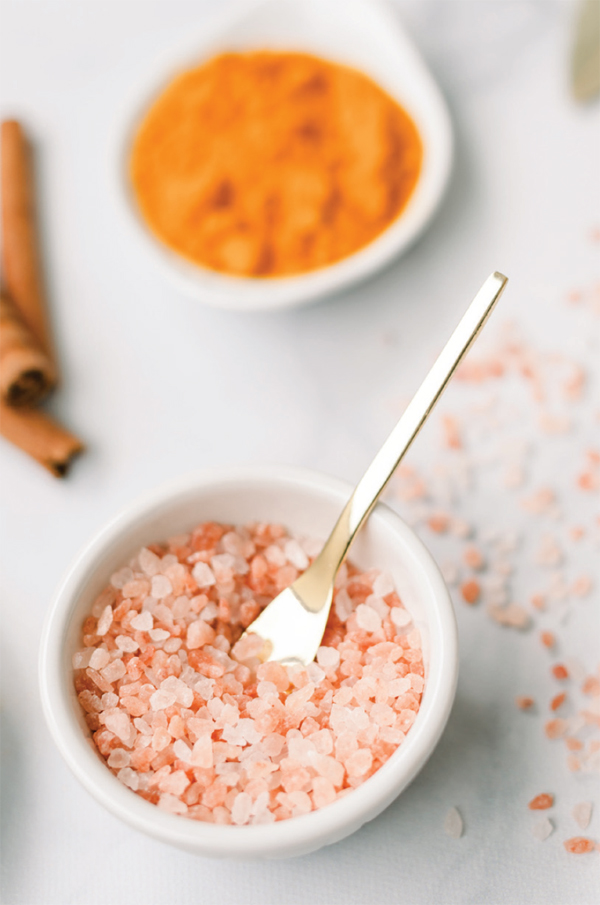
The majority of excessive amounts of sodium in the standard American diet—about 75 percent according to the U.S. Food and Drug Administration (FDA)—comes from eating packaged and restaurant foods, including food served at restaurants that you don’t even know was packaged.
Only a small portion (11 percent) comes from salt added to food while cooking or eating at home.3 I mention this because salt does wonders for flavoring your home-cooked food and can turn a bland meal into a gourmet dish.
So don’t be afraid to cook with a little salt, as wonderful-tasting food will make you want to eat wholesome home-cooked meals more often. From a culinary perspective, salt enhances all flavors—even sweet ones, which is why you’ll always see a pinch of sea salt in dessert recipes. The more you make your own meals, the more you can control the quality of your food and improve your health.
Most conventional table salt has the advantage of added iodine—called iodized salt—which came about in 1924 when the government realized that iodine deficiencies were causing high incidents of goiter (an enlarged thyroid).
However, in our modern times you can obtain the very small amount of iodine you need from fish, yogurt, eggs, sea veggies such as kelp, and vegetables that grow in iodine-rich soil. A good multivitamin will also contain some iodine, so it’s no longer necessary to rely on table salt as your main source.
Since anticaking preservatives are often added to regular table salt, I prefer to cook with a high-quality unrefined sea salt to avoid these and other unnecessary additives. Sea salt is also sodium chloride (just like mainstream table salt), without the trace minerals stripped out.
The lesson here again is, when you do choose packaged food, read the labels and be alert for excessive sources of sodium other than salt. Remember, it’s often the preservatives in packaged food (that don’t even taste “salty”) that contribute to excessive consumption of sodium.
Excessive sodium levels not only make you retain excess water weight, but they can raise your blood pressure out of the normal range, which can lead to stroke, heart disease, and heart failure.4 Which leads me to one of the most important things you can do when developing your own Health Habit: Cook most of your own food.
When you cook and prepare most of your own food, you can control the quality of ingredients and amount of nutrition that you consume. This habit will of course depend on your lifestyle, but I encourage you to make your best effort.
It’s helpful to remember that one of the reasons packaged food tastes so good is that the people who made it spent more time on the flavor than the nutrition! Try adding real flavor to your food to love it even more. Keep cinnamon, vanilla extract, chili powder, your favorite natural hot sauce, fresh herbs, sea salt, and other flavorful ingredients in your pantry and experiment with their use. They can make a world of difference when it comes to liking the meals you make.
Preparing your own food doesn’t have to be hard. You can cook in batches, and find recipes that fit your time and budget.
One of the biggest advantages of cooking most of your own food is the amount of money you can save. When you buy prepared or packaged food, you’re paying an extra convenience fee. Instead, batch-prepare at home and save.
If your budget allows, a food preparation and delivery program can be an equally great option if—and only if—the food is prepared in a homemade way and it’s not simply repackaged convenience food. Be sure to vet the company and be sure that it’s actually fresh and not a bunch of processed, preservative-laden food disguised as health food. That’s no better than a TV dinner.
You’ll pay extra for fresh-food services, but if that fits your budget, there’s no shame in it. Ultimately, though, cooking and preparing your own food at home is both better on your budget and an act of self-care (we’ll talk more about that in Chapter 6).
If you need ideas for cooking at home, check out the recipes at the end of the book and my website for loads of options to get you started.
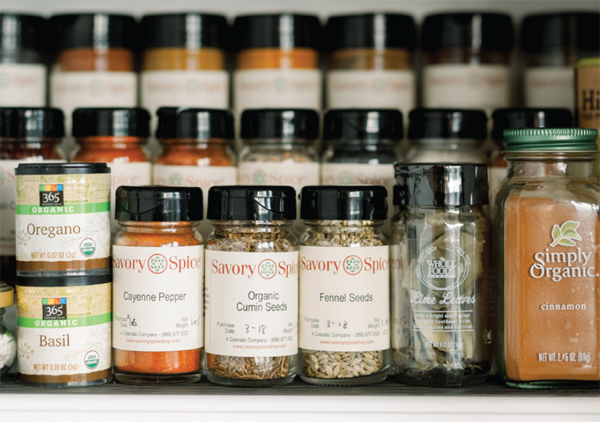
Now that I’ve alarmed you about added sugars, hidden sodium, and empty nutrition labels, let’s come full circle and talk about how it’s unreasonable to think that everyone can live in a world with absolutely no packaged food.
As I said in the introduction to this book, the best thing you can do for your well-being is focus on consistency, not perfection. We live in a fast-paced, imperfect world and there’s nothing wrong with taking advantage of a few modern conveniences. Yes, you read that right. You’re not failing at life if you rely on some packaged, minimally processed food—you just need to be smart about it. Here’s how to do it.
First up, highly processed food should never be your first choice. You’re proactive about your health (reading this book proves that), so this is not a surprise. What you might not realize is there’s a wide definition of processed foods, from highly processed items like beef jerky containing only 10 percent beef, to hummus, which is technically processed but mostly just blended whole foods. Even homemade pesto is processed in your food processor.
In the context of this book, when I refer to processed food, I’m talking about highly processed food with low-quality ingredients. It’s okay to pick and choose some healthier prepackaged items to make life easier, just look for minimally processed items with high-quality ingredients. These can be better than the alternative, which is not eating at all and becoming so hungry that you head to the nearest fast-food drive-through, or berating yourself for not being perfect.
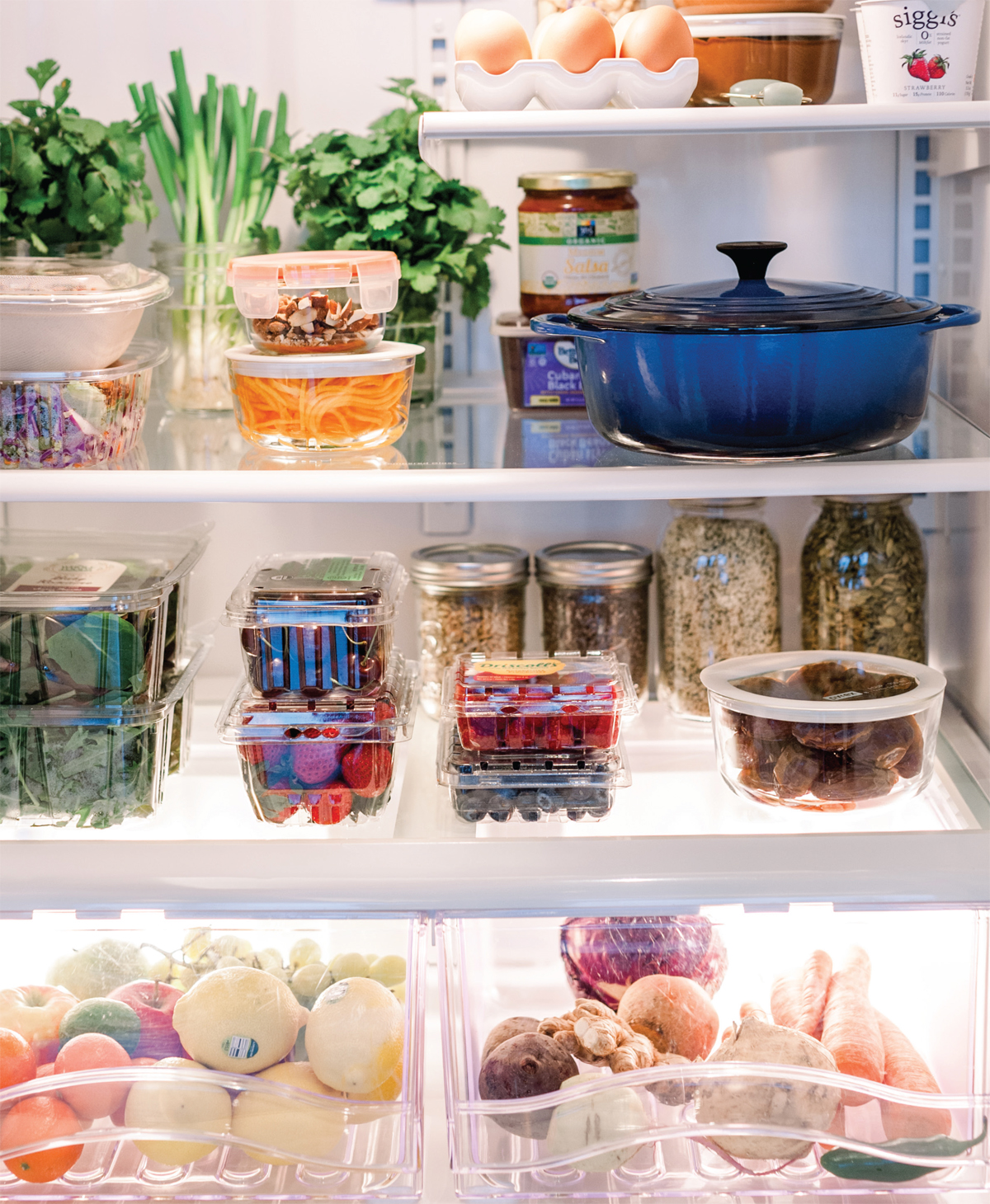
Here are a few examples of foods that are technically processed but can still fit into your healthy eating plan:
Then there is the list of ingredients to avoid. There is no scientific evidence that any of these support health. It’s best to avoid them:
Backup food is the stuff you keep around just in case you forgot to stock up on real food, or you’re so tired that you just don’t want to cook anything.
It’s not meal-prep-Sunday food or make-ahead meals, it’s the “sh!t-hit-the-fan-this-week” food you keep around to avoid “I’m-going-through-the-drive-through” emergencies.
We’ve all had days start with the best of intentions, then a work emergency hits or unexpected situation derails you: A contract falls through and you have 12 hours to write a new one to save everyone’s year-end bonuses, or your kid falls off the monkey bars at school and you spend three hours in the ER waiting for stitches instead of making that homemade soup.
Backup food is your secret weapon against giving in and ordering pepperoni pizza from the delivery place that puts the same plasticizers found in yoga mats into their dough (this happens!). Now, most people haven’t put a lot of thought into this concept, so their backup food tends to be the candy in the bottom drawer, a bag of chips, take-out on speed dial, or the pint of ice cream in the freezer. But by getting into the habit of thinking ahead, you can get healthy.
When you don’t have backup food on hand, you put yourself in the position of seeming to have absolutely no choice but to down a bag of Twizzlers. That is the hard way of doing things. When you have backup food on hand, you create an easier way to keep on track. Stay mindful of your habits and what you reach for by intelligent planning. By having healthy food options stashed away, you know you’ll reach for them when you’re stressed.

This means:
For me, this means always having a high-quality pea protein powder in the pantry, ready to be blended with half a frozen banana and half a cup of frozen blueberries that I always keep in the freezer. Even if I’ve been traveling for 10 days, I can make this simple, healthy, and relatively inexpensive smoothie the morning after a long flight.
I also keep low-sugar chocolate peanut butter vegan bars in my computer bag, rice pasta in the pantry (it’s come a long way in the last few years and now I prefer the texture over standard versions), frozen fruits and veggies plus my favorite lentil soup in the freezer. I also stock organic frozen black bean burritos, because hey, you need backup food for period cravings, too.
Whatever it is for you, keep some good options around for stressful times, as they will come.
Here are some backup food ideas if you need some inspiration:

Multivitamins are a form of dietary supplements. A dietary supplement is a product that can contain vitamins, minerals, amino acids, herbs, or other substances that can be used to supplement the diet.
You may well ask, are dietary supplements such as multivitamins, fish oil, and vitamin D3 real food? Nope! Even if a supplement comes from real food, the nutrients are still extracted—usually through hexane gas extraction—and it’s still processed.
Supplements are well named, as they are meant to supplement your nutritional intake, not replace it. Since our physical body is made up of about 50 trillion cells, adding a little support is not only prudent, it’s now even recommended by JAMA: The Journal of the American Medical Association.
High-quality supplements can fill in nutritional gaps to prevent deficiencies and help you optimize your body. And taking a high-quality multivitamin might be one of the simplest things you can do to improve your health.
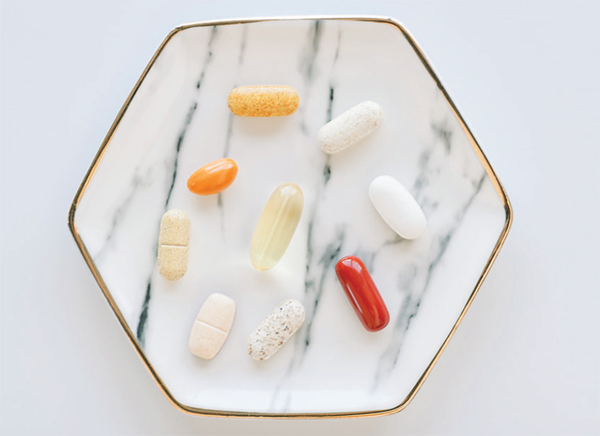
The initial Recommended Dietary Allowances (RDAs) for nutrients were first published in 1941 and were meant to prevent issues caused by acute nutritional deficiencies like scurvy. They’ve been updated since, but are still baseline requirements and don’t provide optimal recommendations.
Just like with food, be a qualitarian with your supplements above all else. Whole food-based supplements that use hexane gas to extract the nutrients leave some of that hexane behind. This process is necessary . . . you can’t just squeeze the beta carotene out of a carrot.
However, the FDA does not require companies to state sources, so it’s best to do your research at the company and brand levels and buy only from companies you trust.
I recommend four dietary supplements to all of my clients:
There are hundreds, if not thousands, of dietary supplements on the market. While we don’t have space to cover every single one of them here, there is one category of supplements called adaptogens, or adaptogenic herbs, that I specifically want to mention.
Adaptogens do just what they sound like: They adapt to your needs. Used for thousands of years in Traditional Chinese Medicine and Ayurveda, they can help your adrenal glands make—or stop making—stress hormones as needed, thus helping your body adapt to its own individual needs. Examples include ashwaganda, ginseng, chaga, maca, and many others.
Adaptogens affect everyone differently. For instance, a naturopath once told me that ashwaganda gives him energy so he takes it in the morning. In my case, ashwaganda makes me so sleepy that when I first started taking it I thought something was majorly wrong with me. For more energy, I took it every day at noon for a week. I was literally falling asleep at 2 every afternoon. I called my doc and said, “It must be my thyroid,” to which she replied, “We just checked that; start taking the ashwaganda at night and see what happens.” Boom. Totally fixed and now I sleep better at night when I take it.
I also once tried maca, which is a South American root powder known for its healing and energy-giving qualities. This was way back in the day when I was just a few years into working in corporate America. I had hopped on the morning smoothie train and bought a tiny bag of precious maca powder for about $30 hoping it would give me a huge burst of energy to get through my morning.
The first morning, I added a teaspoon of maca to my smoothie and went on my way. The next morning, I woke up with big red bumps all over my legs. Oh no, there must be a spider or bug in the bed, I thought, which was completely plausible in my old house. I took apart all the bedding, washed everything, and went on with my day (surprise, I didn’t find any spiders).
On day two, I added even more maca to my smoothie to help with the inflammation from these “bites.” I thought I was brilliant. Day three rolled around, with even more welts all over my body, and as I’m making my smoothie it dawned on me: Oh crap, I’m allergic to maca.
I gave the bag away and my welts went with it. It was a good lesson to learn that just because something is natural, healing, or a superfood doesn’t mean that it will jibe with your own biology.
Like everything you learn here to develop your own Health Habit, learn to use what works for you and leave the rest. Adaptogens are generally over-the-counter supplements, so do your research first and work with an Ayurvedic or Traditional Chinese Medicine practitioner, or another health-care provider, if you want to try one. As with all supplements, buy only from companies you trust and directly from the manufacturer or trusted source to avoid counterfeits.